Introduction
Many people think street photography means one simple thing: taking photos in the street.
That definition is too loose to be useful. If it were true, a quick holiday snapshot, a posed portrait on a sidewalk, a real estate image of a quiet avenue, and a candid scene full of tension and human ambiguity would all belong to the same genre. They do not.
So what is street photography, really?
Street photography is less about pavement than perception. It is not defined by a street sign in the frame, or by the fact that the image was made outdoors. It is a way of seeing public life. It pays attention to how people move through shared space, how gesture meets framing, how chance meets structure, and how ordinary life becomes visually meaningful when timing, distance, and awareness come together.
That is why the best answer to “what is street photography” cannot be a dictionary sentence alone. The genre is shaped by intention. It is shaped by observation. It is shaped by the photographer’s ability to recognize something unfolding in public and translate it into a photograph that feels alive, specific, and unresolved in the right way.
For beginners, this matters because it changes how you practice. You stop chasing “interesting streets” and start learning how to read public life. For more experienced photographers, it sharpens the question further: not just where to point the camera, but what kind of relationship the image has to the world in front of it.
What street photography actually is
A useful street photography definition is this:
Street photography is the practice of making photographs in public or semi public space that reveal something about human presence, behavior, tension, rhythm, or visual coincidence through observation, timing, and framing.
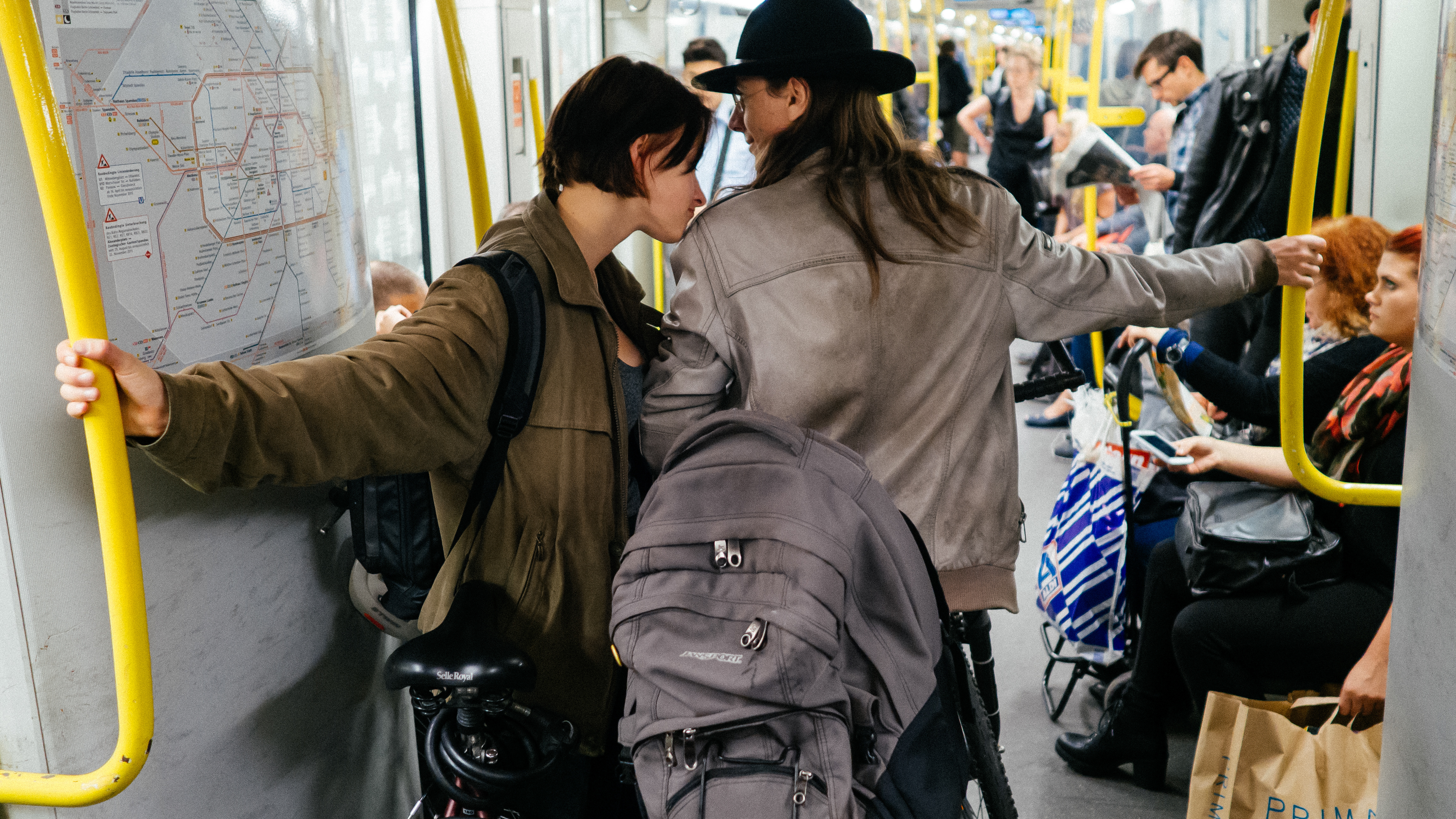
That may happen on a street, in a station, on public transport, in a market, at a beach, in a café seen from outside, in a square, under an arcade, or in any space where public life is unfolding. The location matters, but not as a checklist item. What matters more is that the image carries the energy of lived, unscripted public experience.
This is where the meaning of street photography often gets lost. People assume the genre is about candidness alone. But candidness is not enough. An unposed picture of a stranger does not automatically become street photography. It also needs form, tension, context, or recognition. The image should feel observed rather than merely collected.
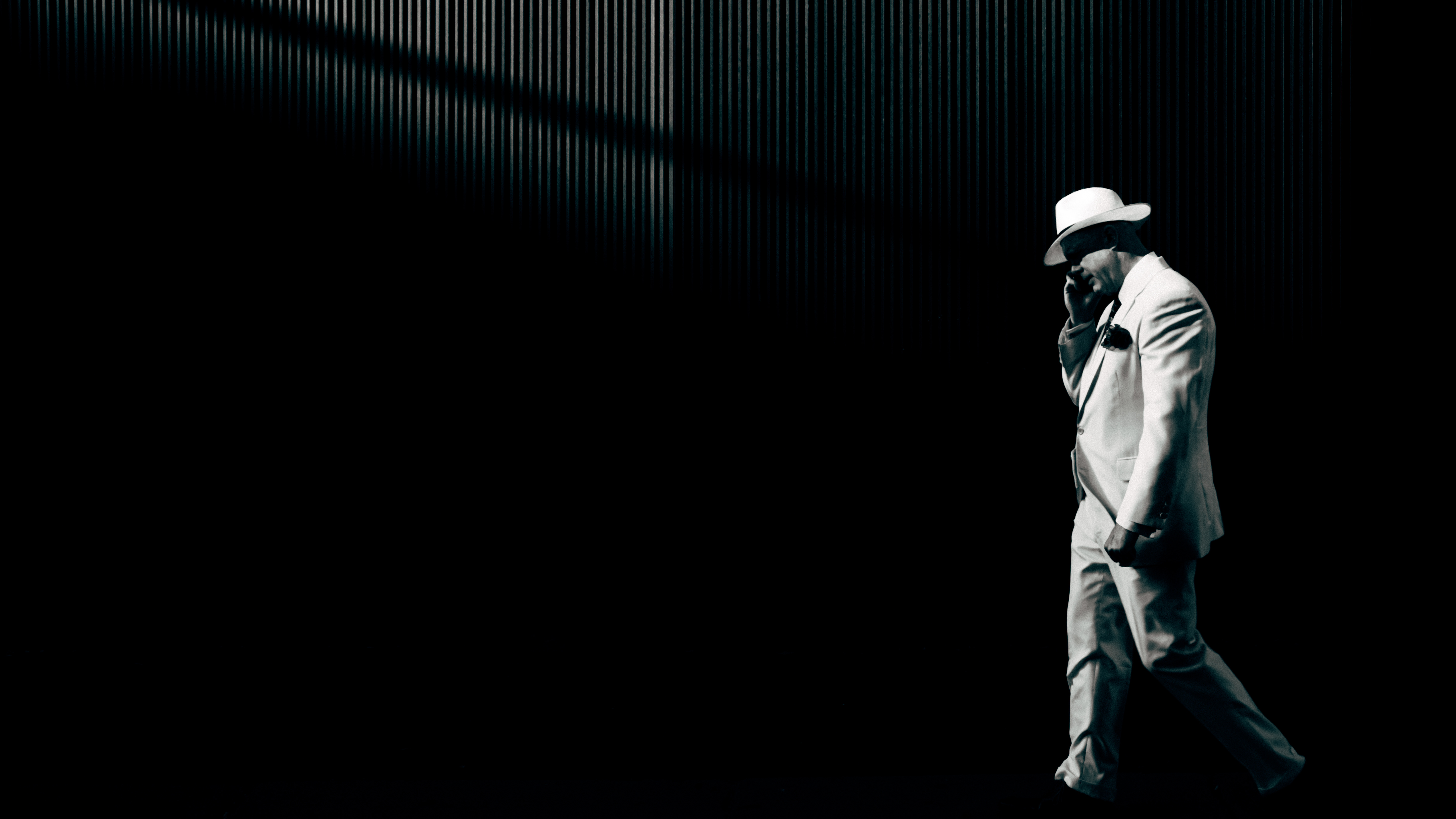
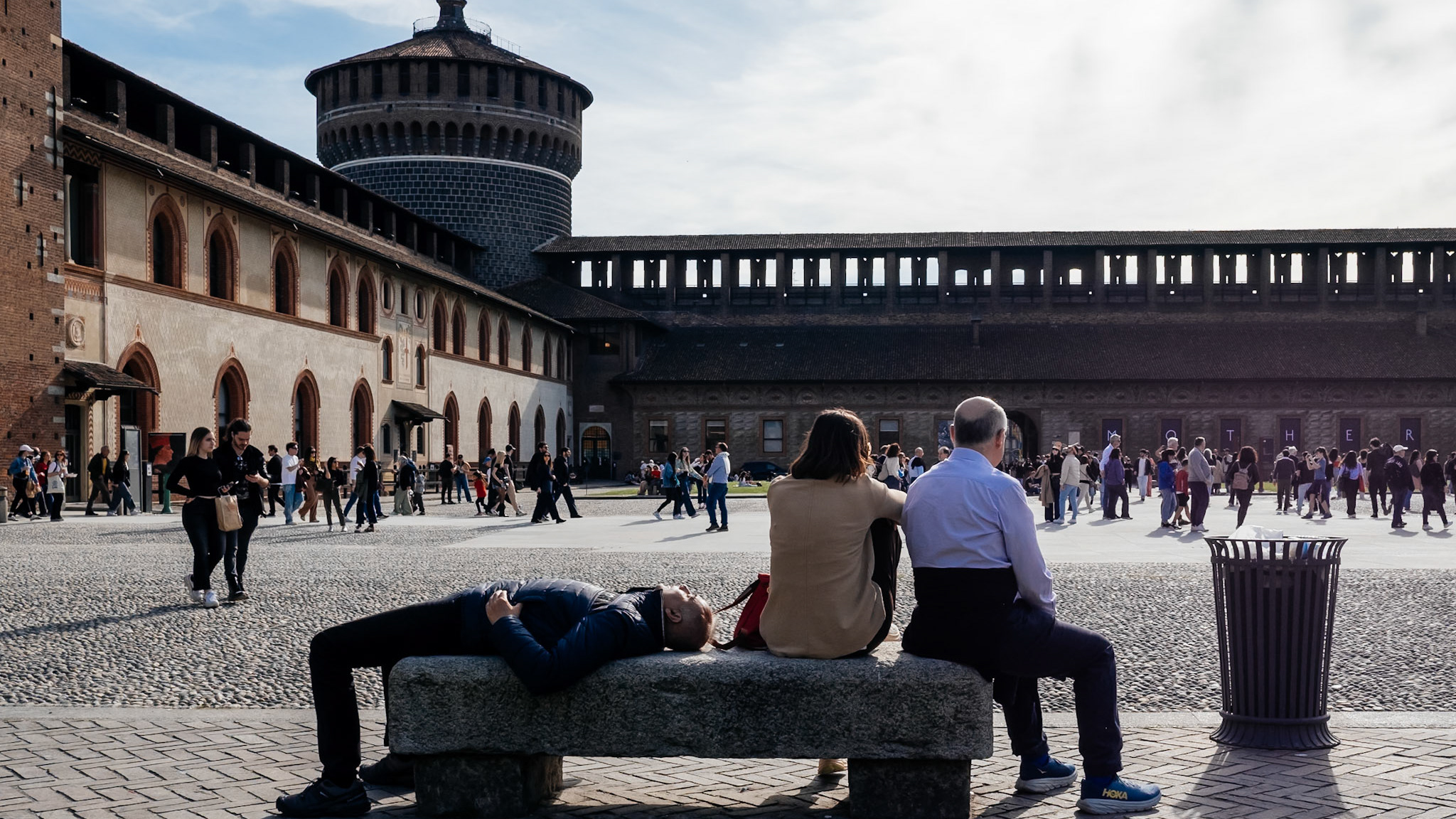
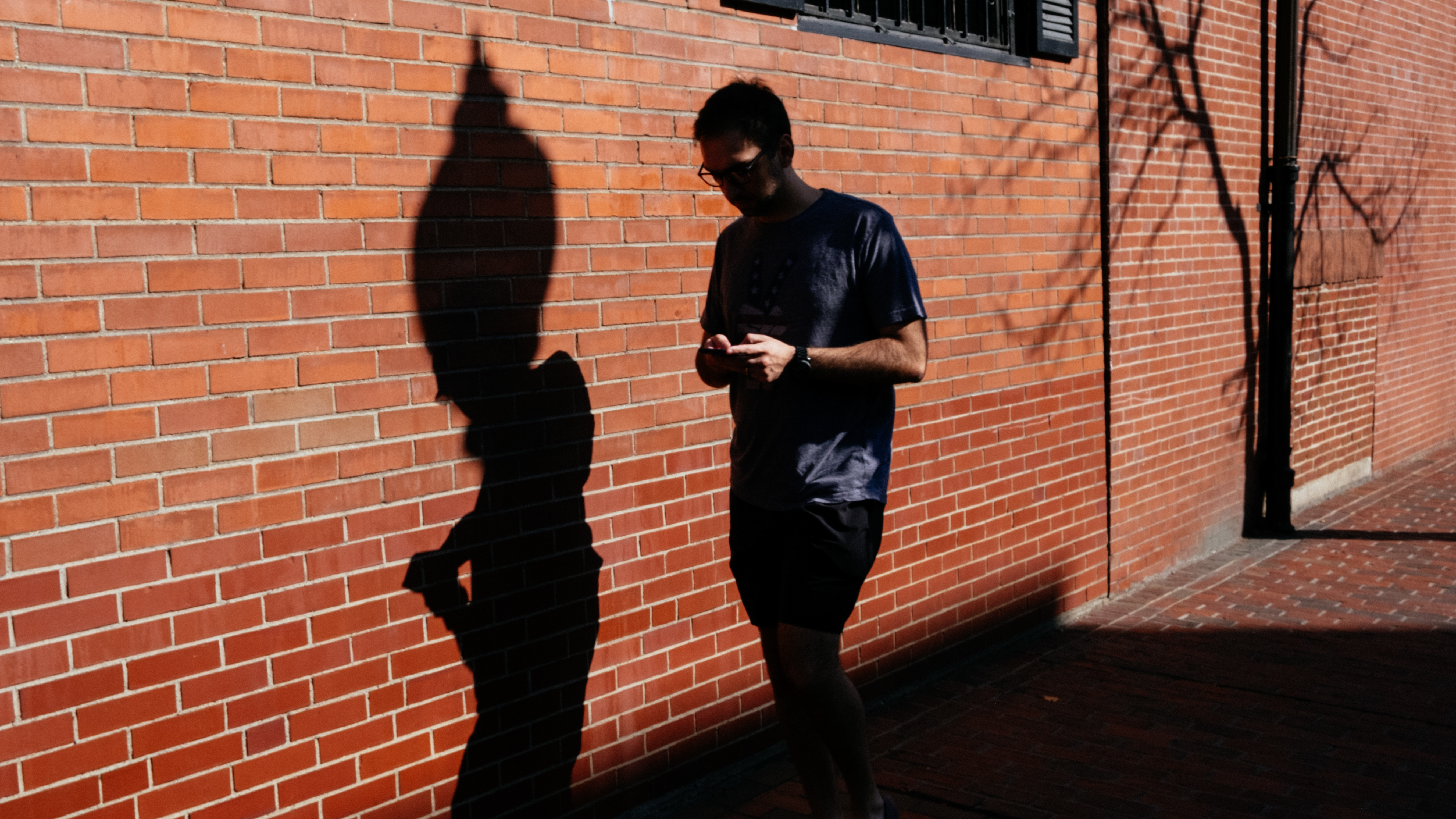
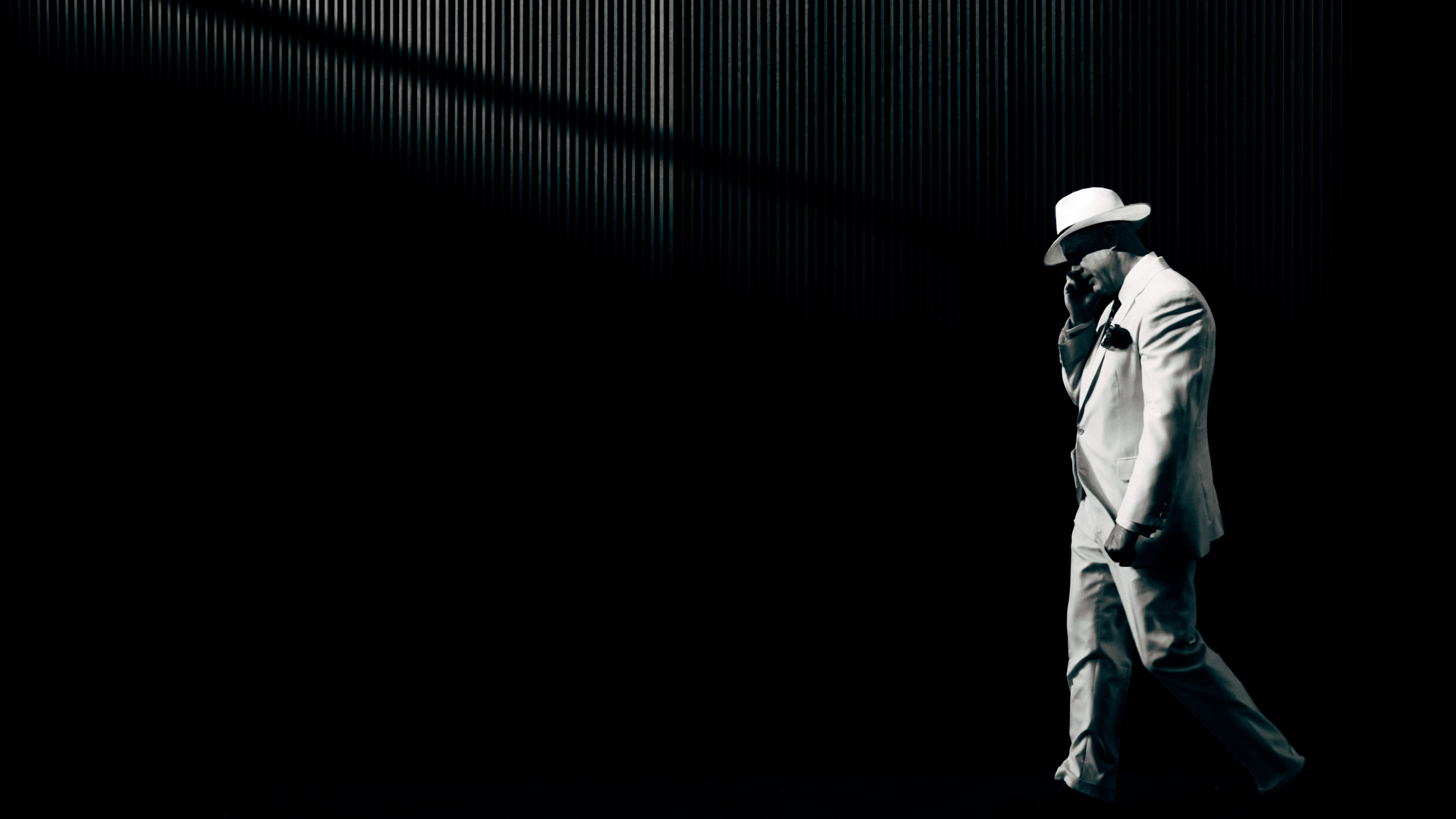
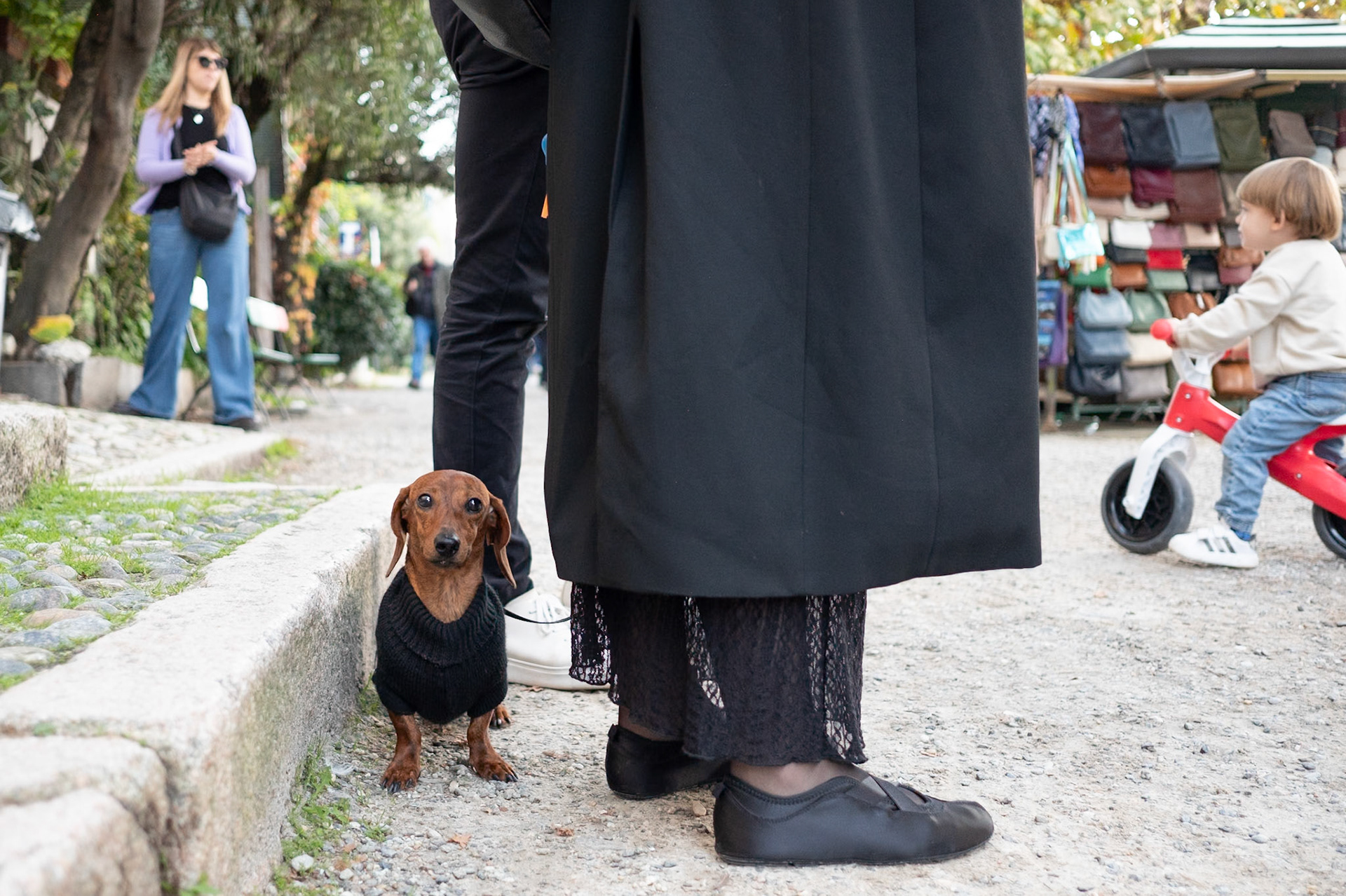
A good street photograph usually suggests that the photographer noticed more than the obvious. Maybe the frame was built before the subject entered. Maybe the light created a stage and a person completed it. Maybe two unrelated figures briefly echoed each other in shape or expression. Maybe the humor came from contrast. Maybe the image holds a friction between elegance and disorder, solitude and crowd, anonymity and presence.
In that sense, street photography is not just about what is there. It is about what becomes visible when attention is sharp enough.
What makes a photo feel like street photography
A photograph feels like street photography when it does more than record a public scene. It organizes reality without draining it of life.
Several qualities often help create that feeling.
Public life is active in the frame
The image usually contains some sense of social reality. This does not mean chaos or busyness. It means the photograph feels connected to life unfolding beyond the photographer’s control. A passerby, a pause at a crosswalk, a hand gesture, someone waiting alone under hard light, or a brief alignment between figures and background, these are the raw materials of the genre.
Timing matters as much as the subject
Street photography often lives or dies in fractions of a second. The same corner can feel flat one moment and fully charged the next. A head turn, a step forward, a glance, a shadow crossing a face, or an interruption in the crowd flow, these small changes are often what make a picture work.
This is one reason beginners sometimes struggle. They see interesting people or interesting places, but they photograph too early or too late. The image contains the ingredients, but not the moment when they relate.
The frame has an intention
Street photography is not visual scavenging. Strong pictures usually show that the photographer made decisions: where to stand, what to exclude, how close to get, how to use edges, how to layer the scene, when to wait, and when to let the frame remain simple.
The result may look spontaneous, but the seeing is not careless.
The image holds some tension or ambiguity
A street photograph often leaves room for interpretation. It does not explain itself fully. It may be funny, uneasy, tender, ironic, or quietly strange. It may show a social contrast without turning into a report. It may feel formally controlled but emotionally open.
That unresolved quality is part of what keeps the genre interesting. Good street photography rarely feels like proof of a single message. It feels more like a precise encounter with public reality.
What street photography is not
A clear definition also requires saying what street photography is not.
It is not simply any photograph made outside.
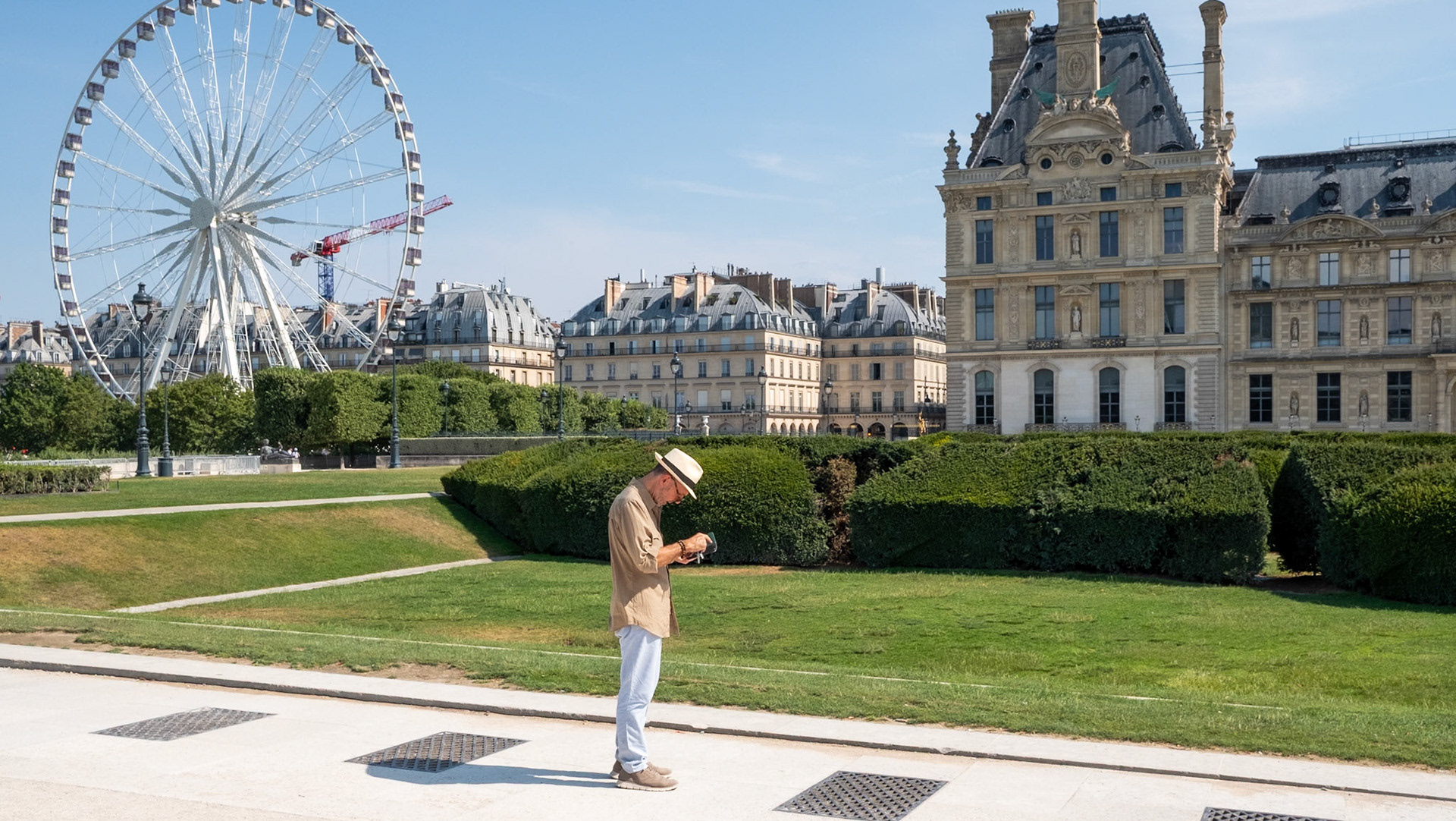
It is not a travel album made while walking around a city.
It is not automatically a candid photo of a stranger.
It is not a posed portrait on a sidewalk.
It is not urban architecture with no human trace, unless the image still strongly suggests public life through absence, residue, or tension.
It is also not random. This is an important misconception to challenge. Many people think street photography is mainly luck: you walk enough, notice something odd, and click. Chance is part of the practice, but randomness is not the same as openness. Experienced street photographers are usually working with anticipation. They read movement, light, distance, repetition, interruption, and potential relationships in the frame. They may not control the world, but they do prepare for its possibilities.
That distinction matters. Street photography is not about grabbing whatever happens in front of you. It is about recognizing when something visually and socially meaningful is about to happen, or has just happened, and being ready for it.
Does street photography need people?
This question comes up often, and the honest answer is: usually, but not always.
Human presence is central to street photography, even when no face is visible. In most cases, the genre gains its force from the fact that people shape public space and are shaped by it in return. Gesture, clothing, posture, movement, hesitation, crowd behavior, waiting, avoidance, and proximity are core elements of the medium.
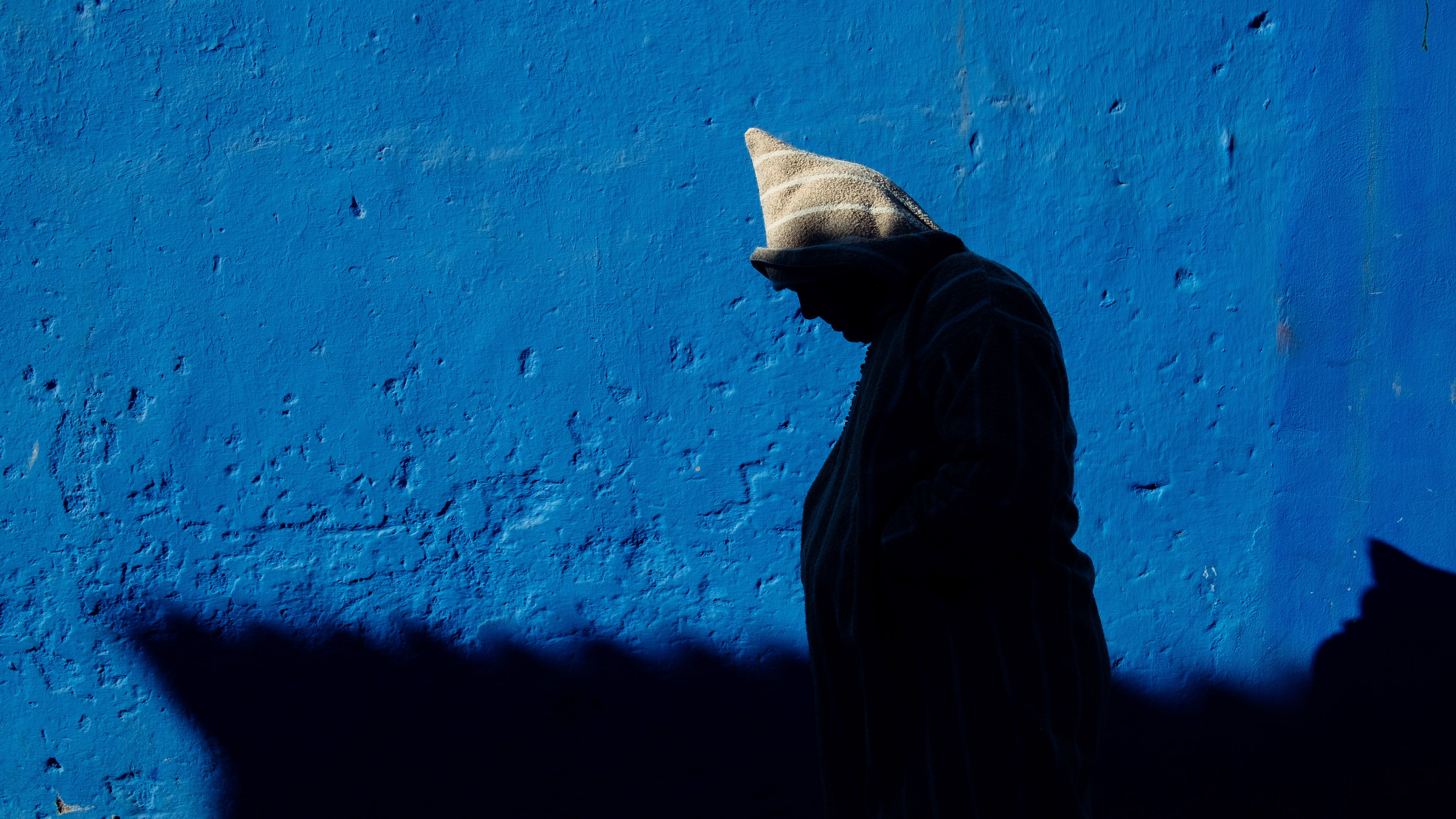
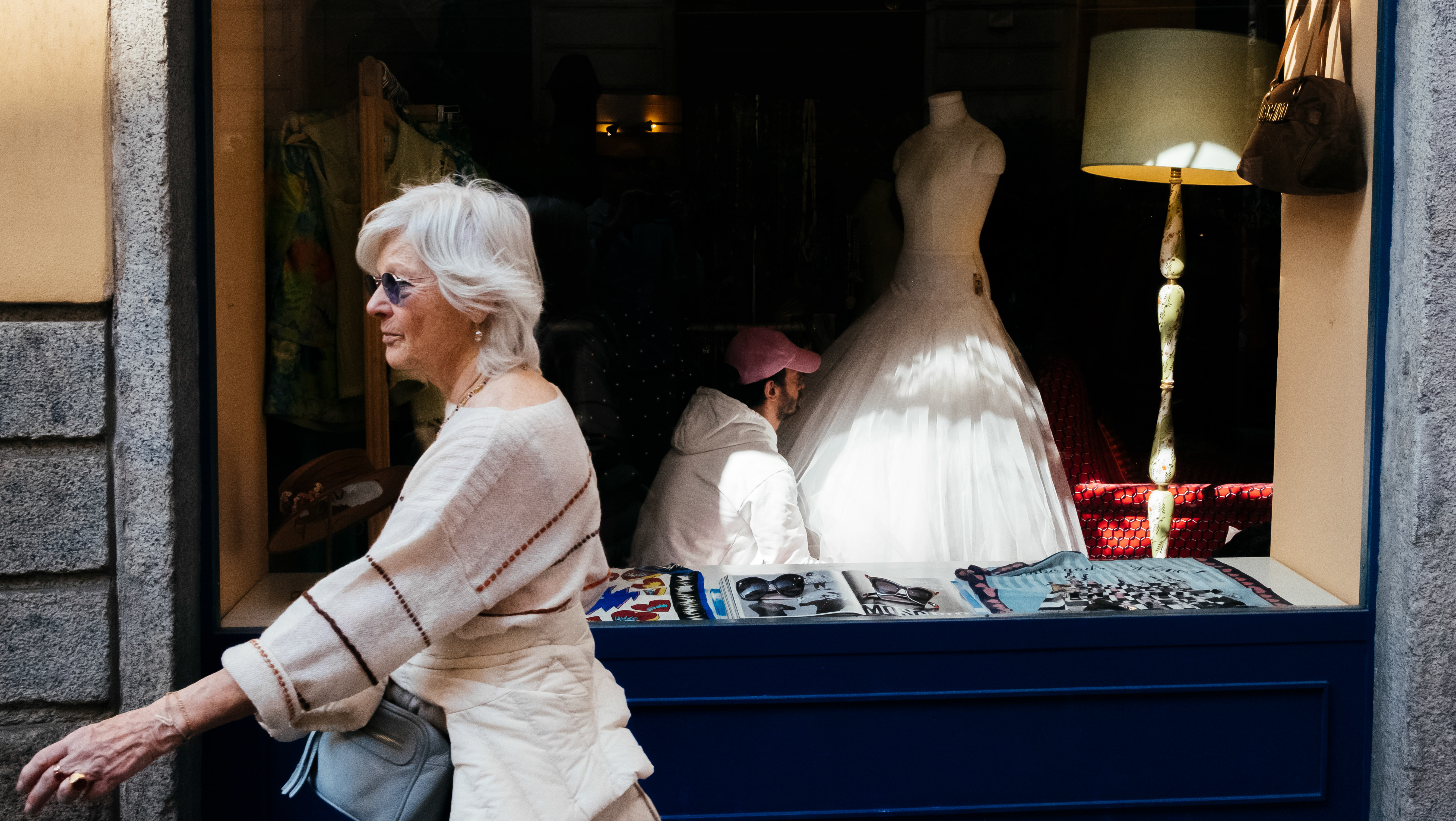
But a street photograph does not always need a fully visible person in the frame. It may contain a silhouette, a reflection, a shadow, a hand, a trace, or the strong afterimage of human activity. A chair placed oddly under harsh light, a storefront scene that implies surveillance and absence, or a torn poster next to a polished luxury display, sometimes public life is suggested rather than directly shown.
What it probably cannot lose entirely is a relationship to human presence. Once that disappears, the image may move into urban landscape, architecture, or visual essay territory instead.
So the better question is not “must there be a person?” but “does the image still feel rooted in lived public reality?” If the answer is yes, it may still belong within street photography.
Street photography vs documentary, travel, and portrait photography
Street photography overlaps with other genres, which is why confusion is common.
Street photography vs documentary photography
Documentary photography is usually driven more explicitly by sustained subject matter, context, and informational intent. It often aims to describe, explain, witness, or examine a person, place, issue, or community over time.
Street photography is generally looser, faster, and more interpretive. It may touch on social reality, but it does not always seek to explain it. One image might reveal class contrast, loneliness, surveillance, consumer culture, or urban pressure, but it does so through a fragment rather than a full account.
A documentary photographer often builds narrative through accumulation. A street photographer often works through compression.
Street photography vs travel photography
Travel photography is about a place as experienced by the traveler. It may include landmarks, atmosphere, food, architecture, local scenes, and memories of movement through a destination.
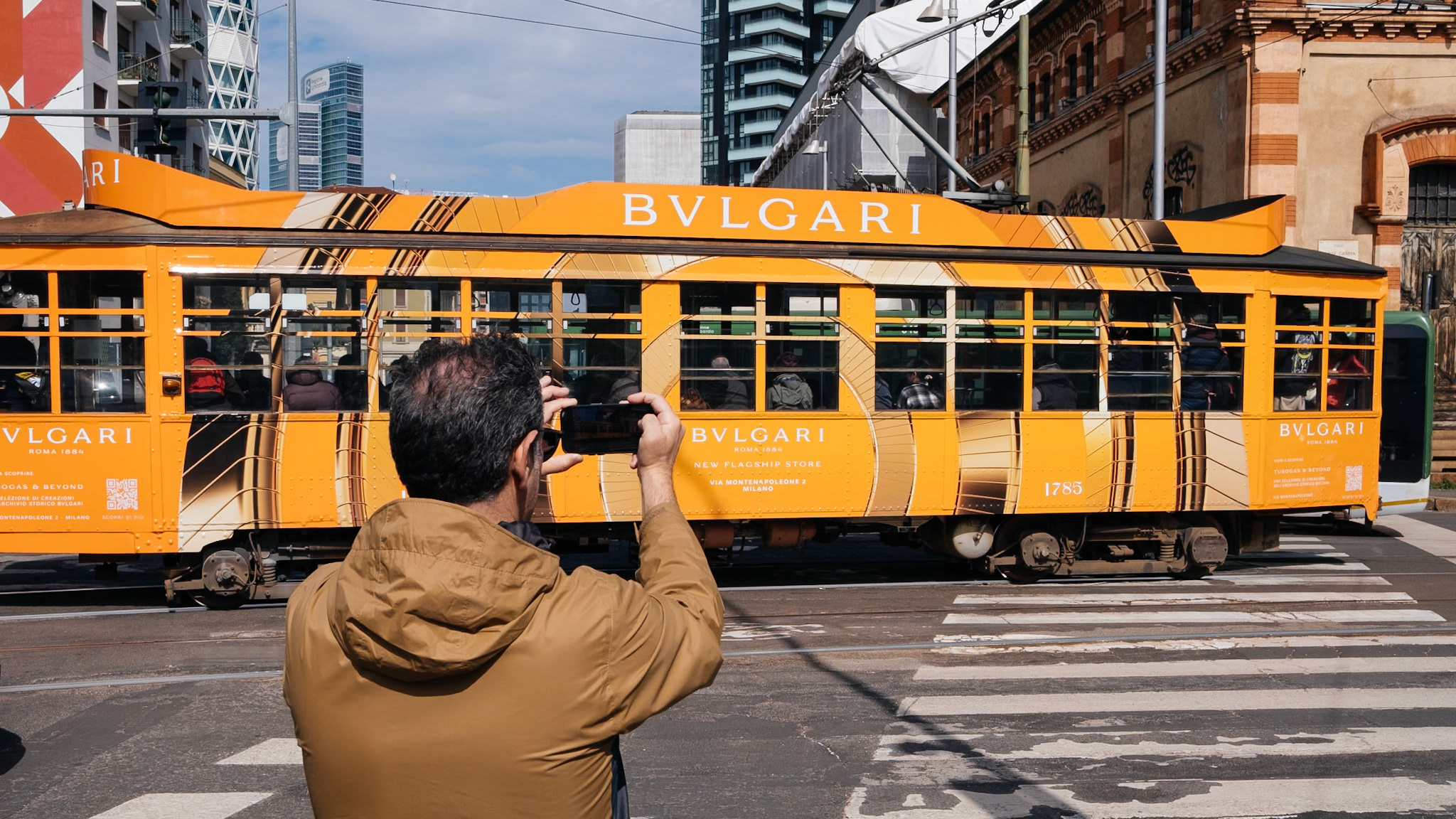
Street photography can happen during travel, but it is not the same thing. Travel pictures often prioritize place recognition. Street photography prioritizes visual and human tension. A tram passing Duomo may be a travel image. A stranger caught between luxury display reflections and rushing commuters may be a street photograph. The difference is not the city. It is the photographic intention.
Street photography vs portrait photography
Portrait photography is usually centered on the subject as the subject. Even when informal, it tends to involve some degree of collaboration, recognition, or directed attention.
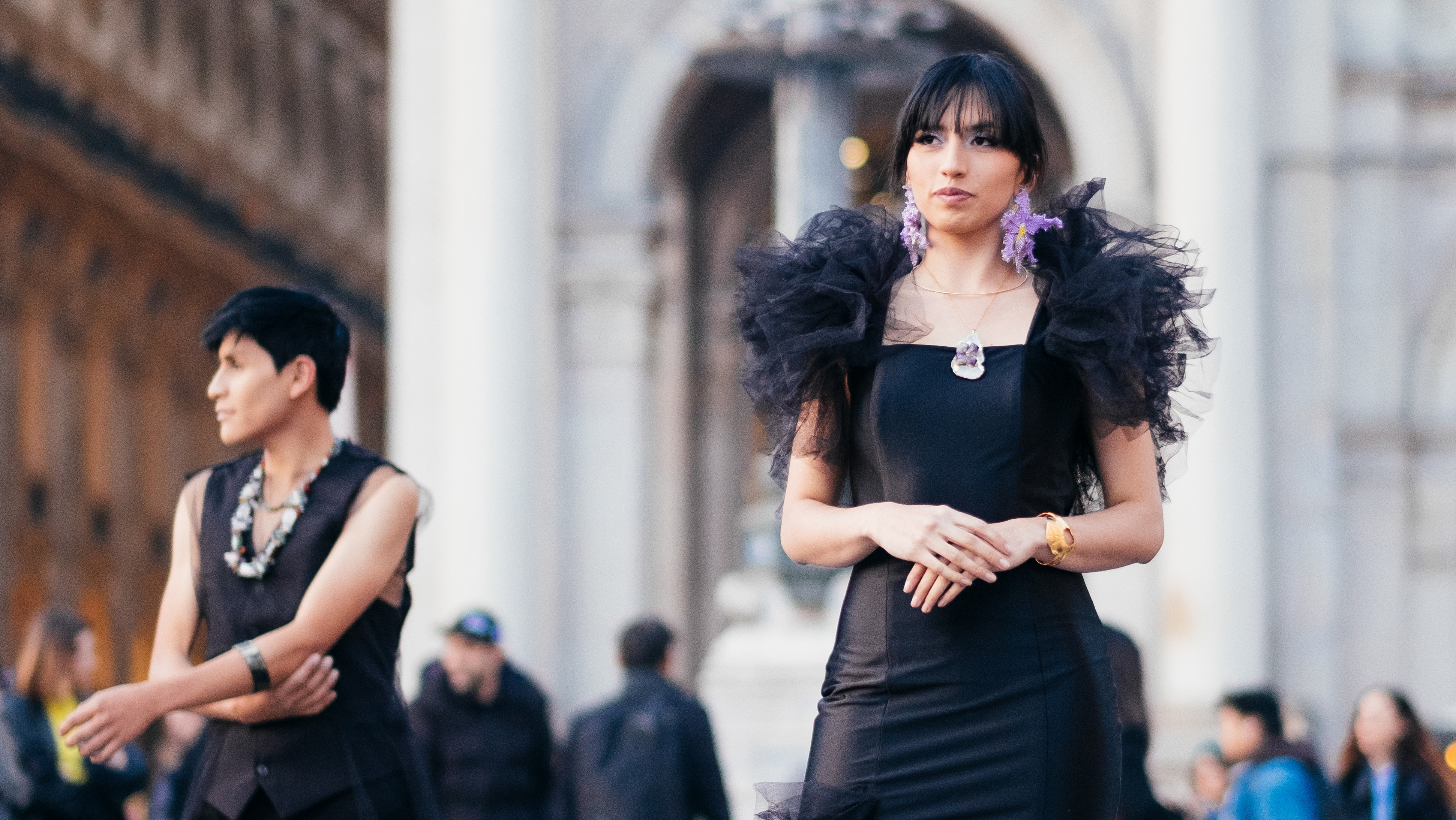
Street photography may include a striking individual, but the photograph usually depends on more than the person alone. Context matters. Space matters. The relationship between subject and environment matters. The figure is often part of a larger public choreography rather than the sole destination of the frame.
The role of observation, timing, and public life
If you want to understand what makes a street photograph, study how it was likely seen before it was taken.
Street photography begins before the shutter. It starts with noticing.
You notice how light divides a pavement into usable and unusable space. You notice how people hesitate at a doorway. You notice that one wall creates a clean background while the other side of the street is visually noisy. You notice that commuters repeat the same path, but one interruption every few minutes changes the entire frame. You notice distance: close enough for presence, far enough for the scene to breathe.
This is why street photography is often more about waiting than wandering. Walking matters, but aimless movement does not guarantee better pictures. Sometimes the strongest approach is to find a promising structure, light, geometry, flow, or visual contrast, and wait for public life to activate it.
Timing, then, is not merely quick reflex. It is an informed timing. The photographer is not just reacting. He or she is reading the rhythm of the street.
Public life gives the genre its unpredictability, but observation turns unpredictability into practice. That is the difference between hoping for luck and working with awareness.
Ethics: photographing strangers with judgment
Any honest article about photographing strangers in public has to acknowledge the ethical tension.
Legality and ethics are not the same thing. In many places, photographing people in public is lawful under broad conditions. That does not mean every photograph is wise, respectful, or worth making.
Street photography involves judgment. The photographer has to ask not only, “Can I make this picture?” but also, “Why this picture? What is it doing? What does it take from the person in front of me? What does it reveal, and at whose expense?”
There is a difference between attention and extraction.
Photographing strangers responsibly means reading context. A person in visible distress, a vulnerable child, someone humiliated, or someone caught in a private emotional moment despite being in public, these situations require more than technical confidence. They require restraint. Not every available image deserves to be made or shown.
Dignity matters. So does intent. Street photography should not become an excuse for entitlement or social predation. A strong practitioner learns to distinguish between curiosity and exploitation.
This does not mean the genre must become timid or sanitized. Public life includes friction, discomfort, absurdity, loneliness, status, surveillance, pleasure, fatigue, style, performance, and contradiction. Street photography can engage all of that. But it should do so with intelligence. The photographer is not above the scene. He is part of the moral weather of it.
How beginners should think about street photography
For beginners, the most useful shift is this: stop asking where to find street photography, and start asking how to recognize it.
You do not need to hunt for dramatic subjects at first. You need to learn to see structure and behavior. Watch how people enter and leave a frame. Pay attention to where the light creates separation. Notice recurring gestures. See how backgrounds affect clarity. Learn when a scene is only busy and when it is actually organized.
Do not define success by bravery alone. Street photography for beginners is often framed as a test of confidence around strangers. Confidence matters, but seeing matters more. Many weak pictures are bold but visually empty. A quieter approach with better timing will usually teach you more.
It also helps to avoid rigid rules. Some people will tell you street photography must be candid, must include people, must be shot with a wide lens, must be black and white, or must happen in dense city centers. These rules can be useful as tendencies, but they are not the genre itself. What matters most is whether the image carries the charge of observed public life.
A practical way to begin is to work slowly. Pick one block, one station entrance, one market edge, one café window, or one stretch of shadow in late afternoon. Stay there longer than feels comfortable. Let the scene reveal its patterns. Build the frame first. Wait for alignment. Make fewer pictures, but make them with more intent.
That approach will teach you more than simply collecting hundreds of random candid shots.
Conclusion
So, what is street photography?
It is not just photography in the street. It is the practice of interpreting public life through attention, timing, framing, and judgment. It uses the ordinary world as material, but it does not settle for mere record. At its best, it shows how people, space, gesture, light, and chance briefly organize themselves into something worth looking at twice.
The strongest street photographs feel both immediate and considered. They are rooted in the real world, yet shaped by a photographer who knows how to wait, where to stand, what to include, and when not to press the shutter at all.
For beginners, that is good news. You do not need a mythic definition or a performance of fearlessness. You need a better mental model. Street photography begins when you stop confusing public space with subject matter and start seeing it as a field of relationships.
That is where the genre becomes interesting. And that is where real practice starts.