Street Fashion Photography vs Street Photography: The Difference in Intent and Practice
A photograph does not become street photography simply because it was taken on a sidewalk.
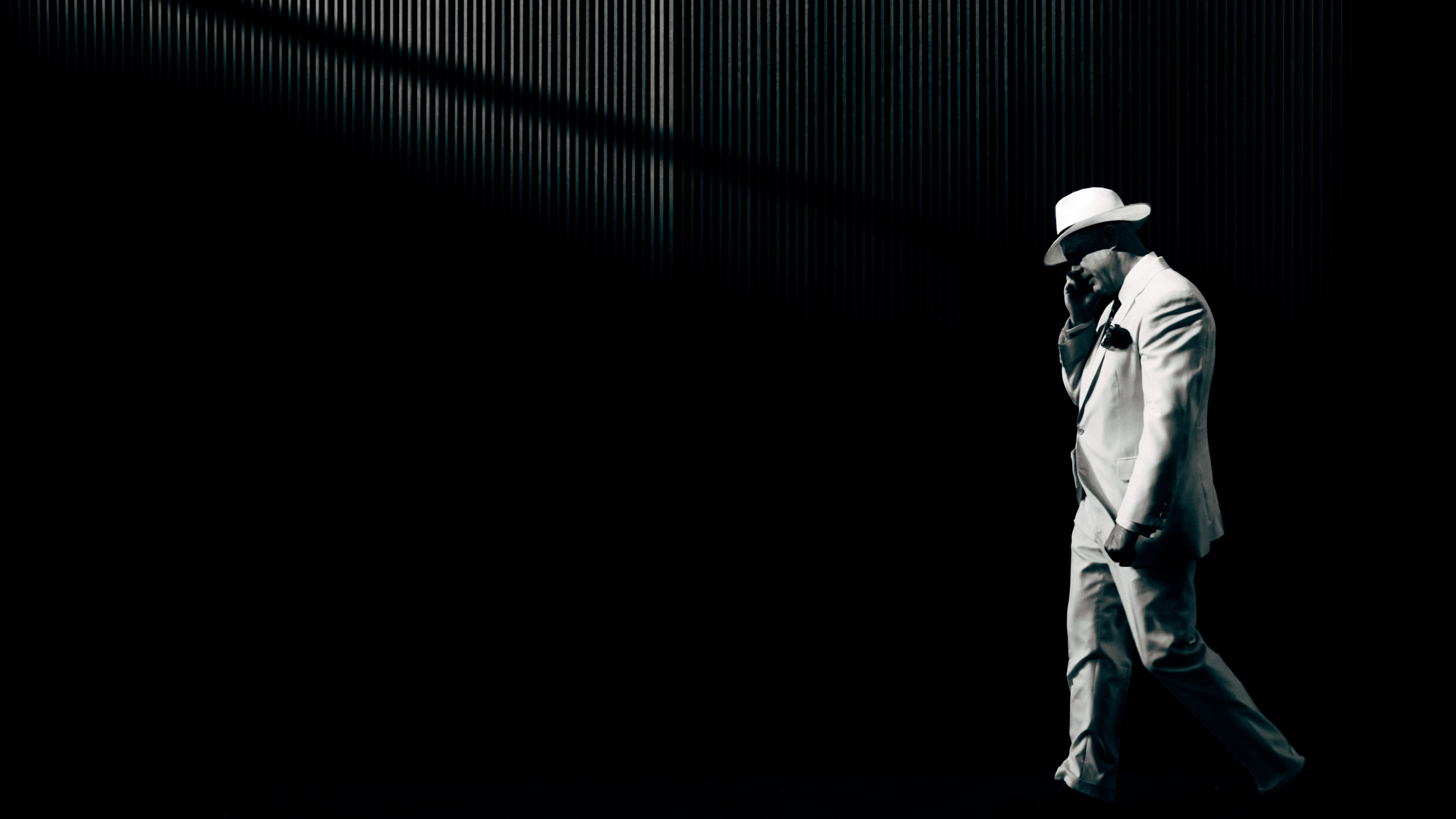
This is where a lot of the confusion begins. Online, especially on Instagram, Pinterest, and fashion-heavy visual platforms, people often use "street" to describe almost any image made outdoors in a city. A sharply dressed person against a textured wall gets called street photography. A planned portrait in Milan’s fashion district gets labeled street style, street portrait, and street photography all at once. The background is urban, the subject is stylish, and the image looks contemporary, so the categories start to blur.
But the difference between street fashion photography vs street photography is not mainly about location. It is about intention.
Street photography is usually built on observation. It pays attention to public life, timing, gesture, tension, coincidence, and the relationship between people and environment. Street fashion photography, by contrast, gives stronger visual priority to style, presentation, clothing, and how a person appears within the frame. Both may happen in public. Both may involve real people, urban light, and unrepeatable moments. But they do not ask the same question of the world, and that changes how the photographer works.
Understanding this matters because intention shapes everything else: where you stand, what you wait for, how you frame, whether you direct the subject, what the image prioritizes, and what kind of meaning the picture carries.
What street photography is
Street photography is a practice of observing life in public space and turning that observation into an image with structure, timing, and meaning.
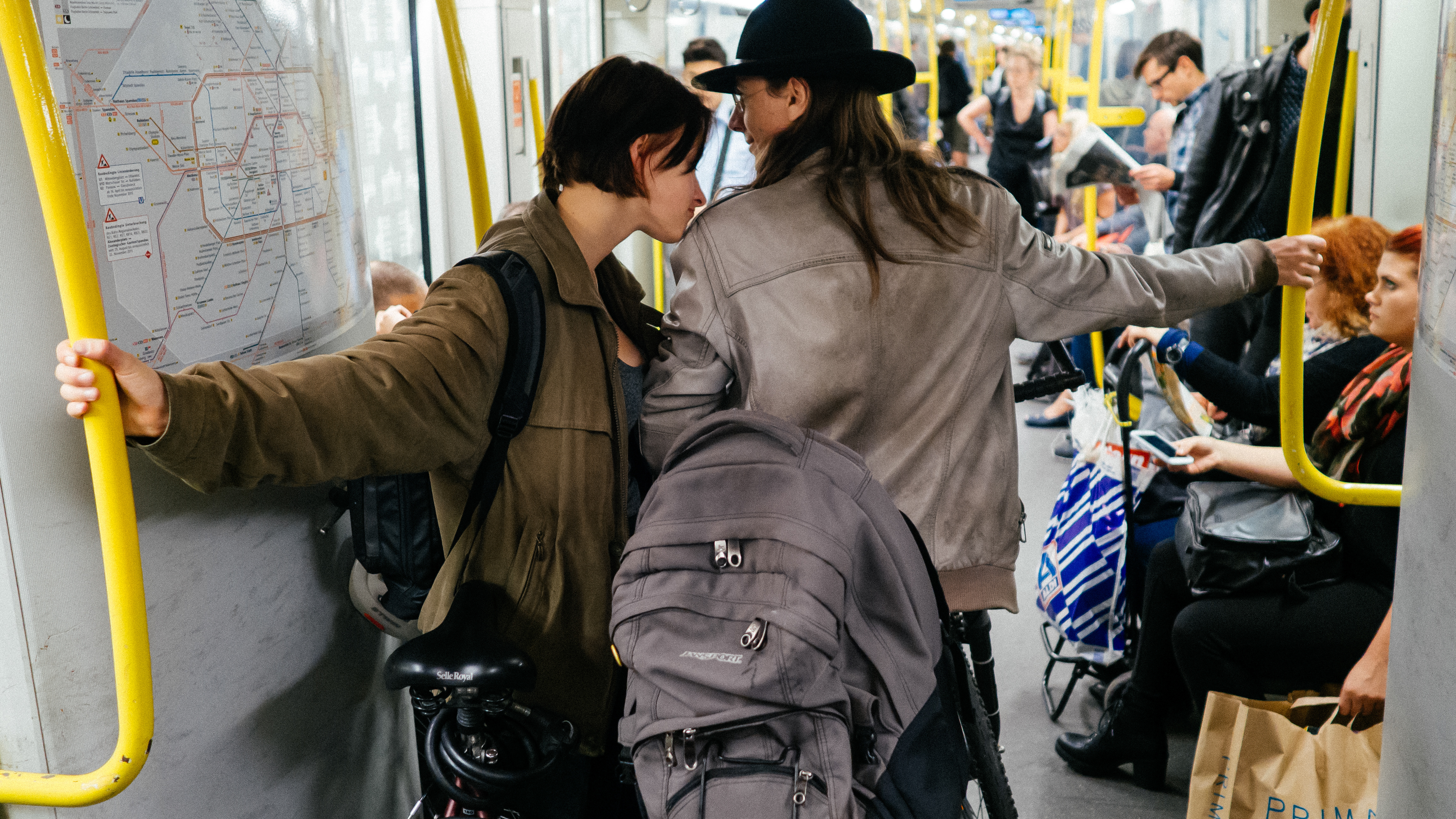
That sounds simple, but it rules out a lot of things people casually call street photography. The genre is not defined by asphalt, storefronts, or pedestrians alone. It is defined by the photographic logic behind the frame. A strong street photograph usually contains some combination of human presence, context, timing, gesture, tension, ambiguity, irony, rhythm, or visual relationships that were found rather than staged.
The photographer is not primarily trying to show what somebody is wearing. Nor are they mainly trying to flatter the subject. The photograph is more often about what is happening between people, place, movement, and chance.
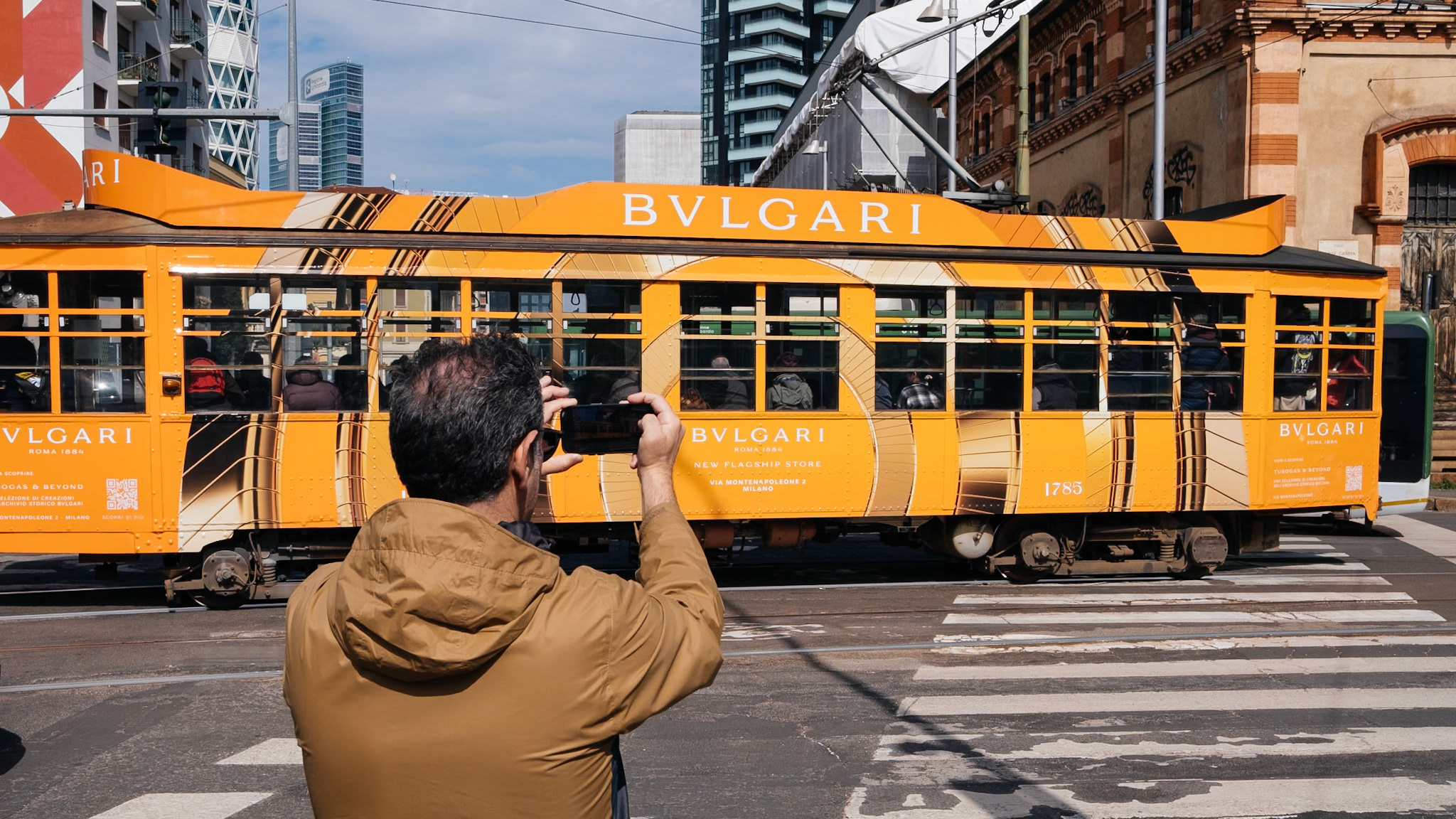
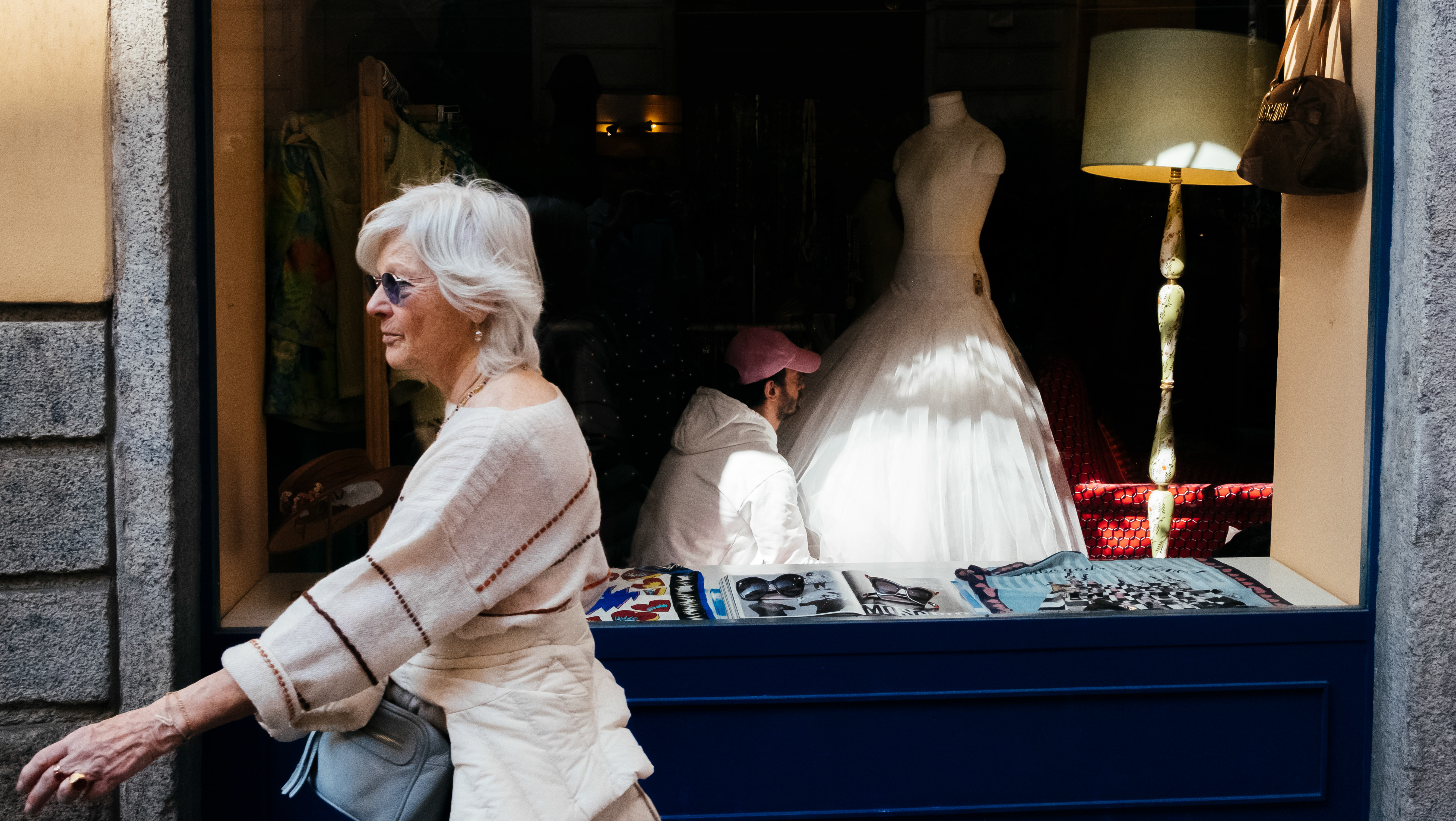
In practice, that means street photography often depends on patience. You read the flow of the pavement, wait for alignment, notice how figures enter and leave the frame, and pay attention to distance, light, and interruption. In Milan, for example, the same person walking through Brera, Centrale, or Navigli can mean very different things photographically depending on the surrounding rhythm. In one place, the image may be about elegance moving through quiet architecture. In another, it may be about friction, crowd flow, advertising, class contrast, or the compression of urban space.
The person matters, but the life around them matters too.
What street fashion photography is
Street fashion photography is photography in public spaces where clothing, styling, identity presentation, and personal image carry much of the visual meaning.
That does not make it artificial or shallow. It simply gives the image a different center of gravity.
Sometimes, street fashion photography is candid. Sometimes it is lightly directed. Sometimes it is fully posed. The common thread is that style is not incidental. It is one of the main subjects. The viewer is meant to notice the outfit, silhouette, attitude, texture, brand language, or the way the subject performs themselves visually in an urban setting.
This is why street fashion photography often sits close to street style photography, editorial fashion photography, portraiture, and lifestyle imagery. It may document real people on real streets, but it usually organizes attention around appearance. The city becomes part of the image, yet often as a setting, mood, or contrast rather than as the deeper subject of the photograph.
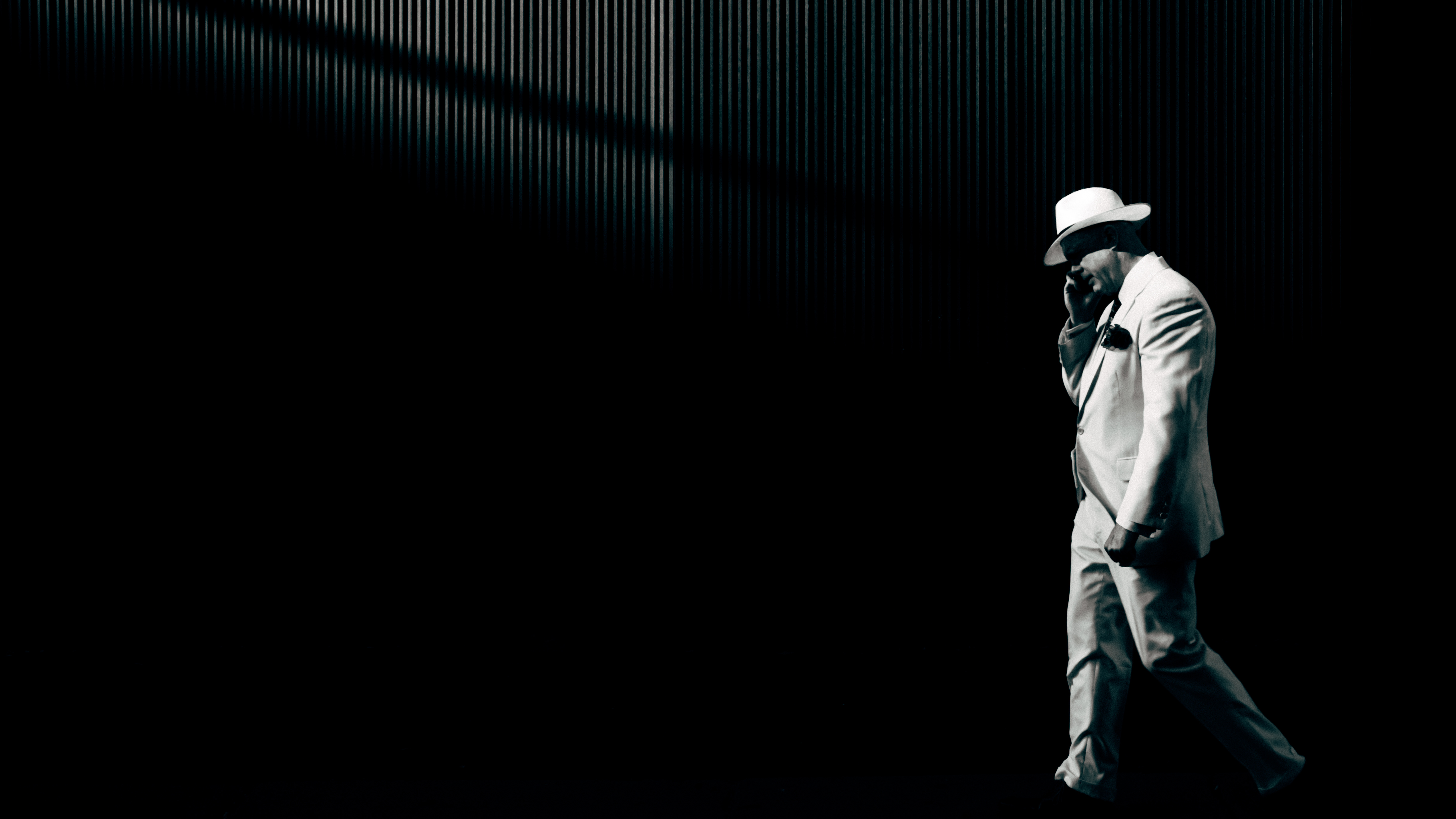
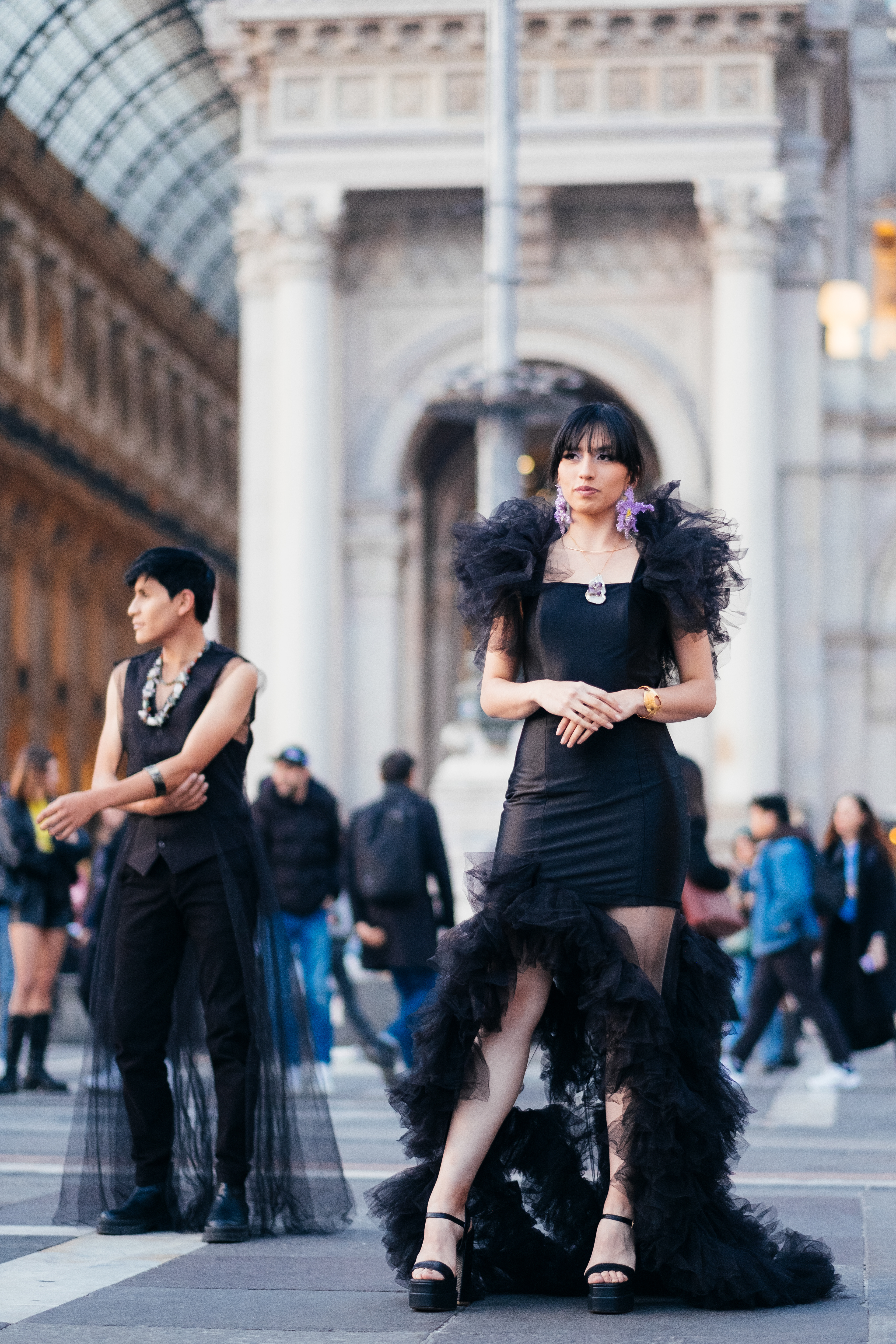
If you photograph someone outside a fashion show in Milan during Fashion Week because their coat, posture, shoes, and styling communicate something specific, you are already in the logic of street fashion photography or street style documentation. The street is not irrelevant, but clothing is doing more of the storytelling.
The real difference is intent
If I had to reduce the distinction to one sentence, it would be this:
Street photography is usually life-first. Street fashion photography is usually style-first.
That does not mean street photographers ignore clothing. Clothing can be important in a street photograph because it signals class, era, mood, contradiction, belonging, or self-invention. But in street photography, clothes usually serve the larger observation. In street fashion photography, clothes often lead the observation.
This difference in intent affects the behavior of the photographer.
A street photographer may choose a corner because the light cuts hard across the pavement, because trams and pedestrians create layered movement, or because one recurring gesture keeps happening there. They are building a frame for life to enter.
A street fashion photographer may choose the same corner because the background complements the outfit, because the architecture sharpens the styling, or because the urban texture gives the subject a stronger editorial feel.
The location may be identical. The photographic intention is not.
This is why asking "was it taken in the street?" is the wrong question. A better question is: what is the image trying to make me look at first, and why?
Subject treatment and composition are not the same
Once intention changes, subject treatment changes too.
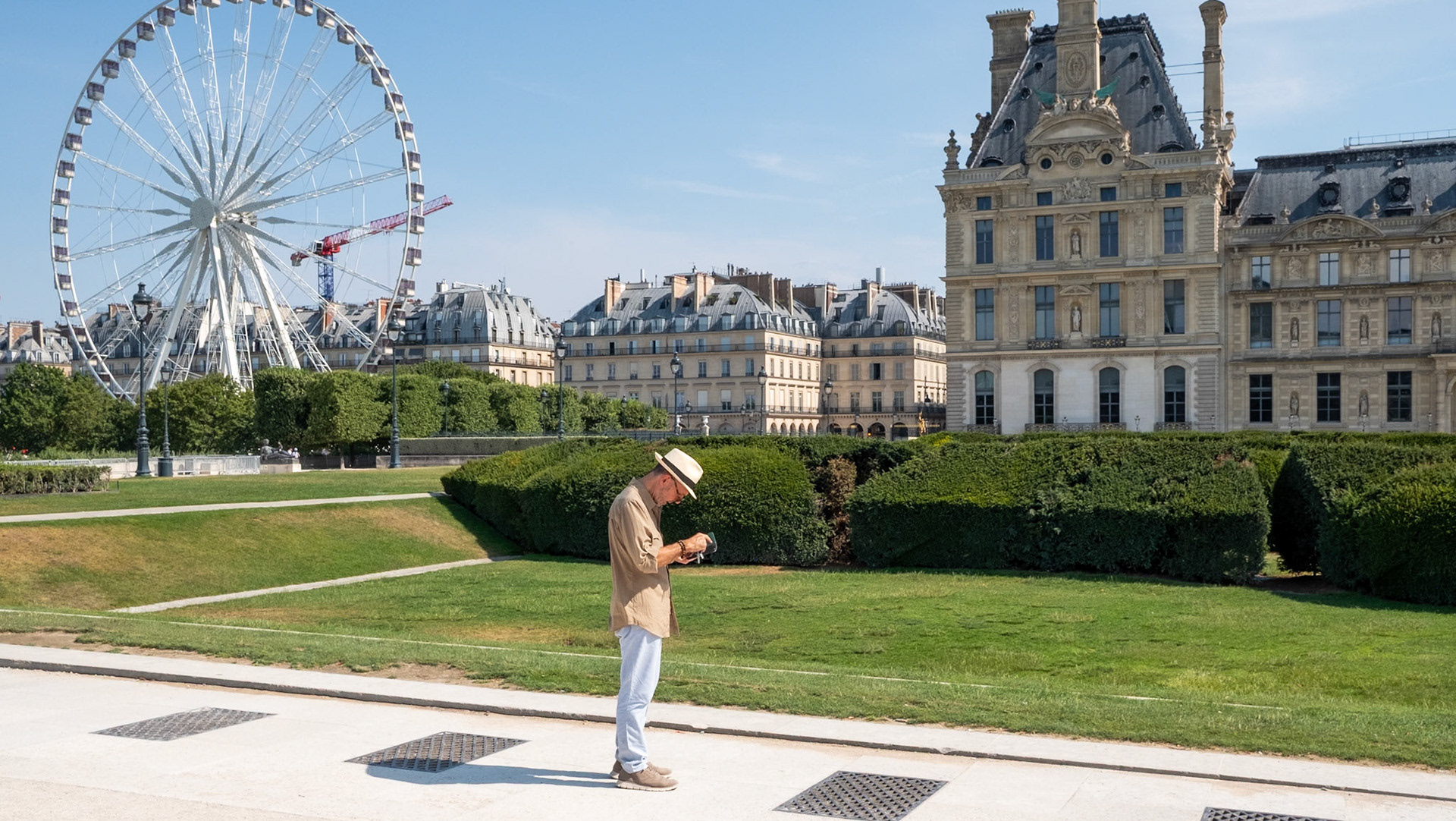
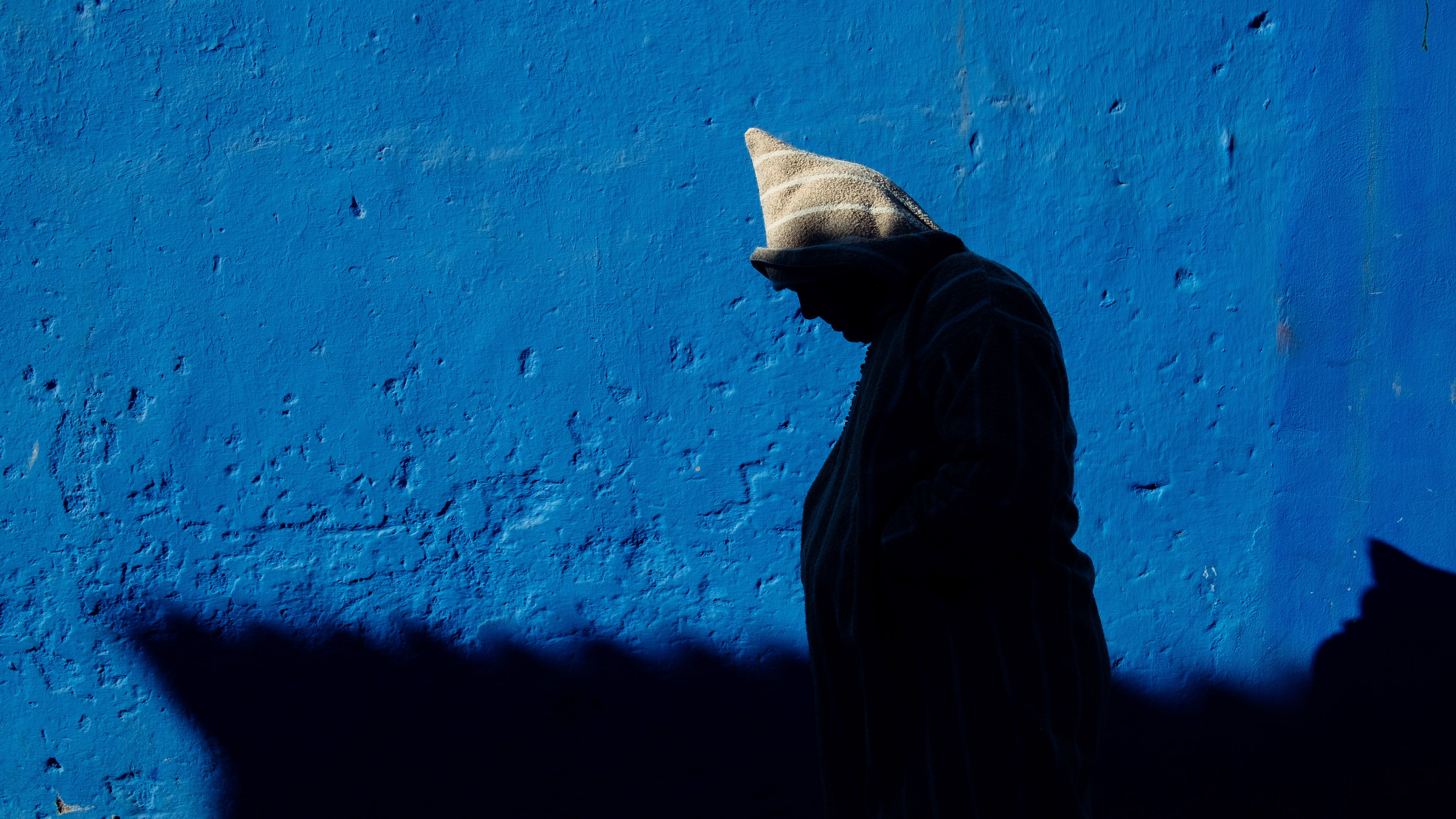
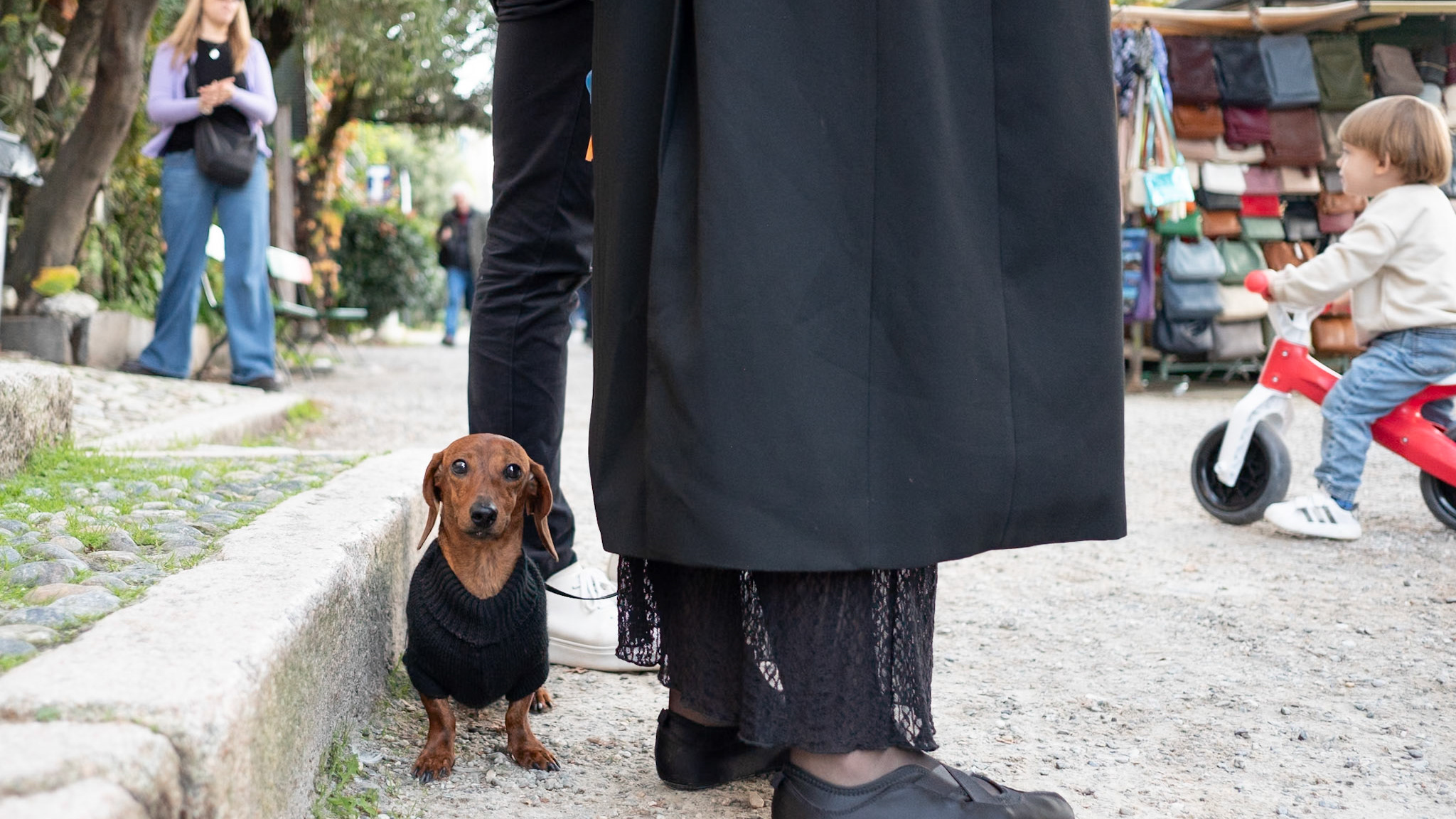
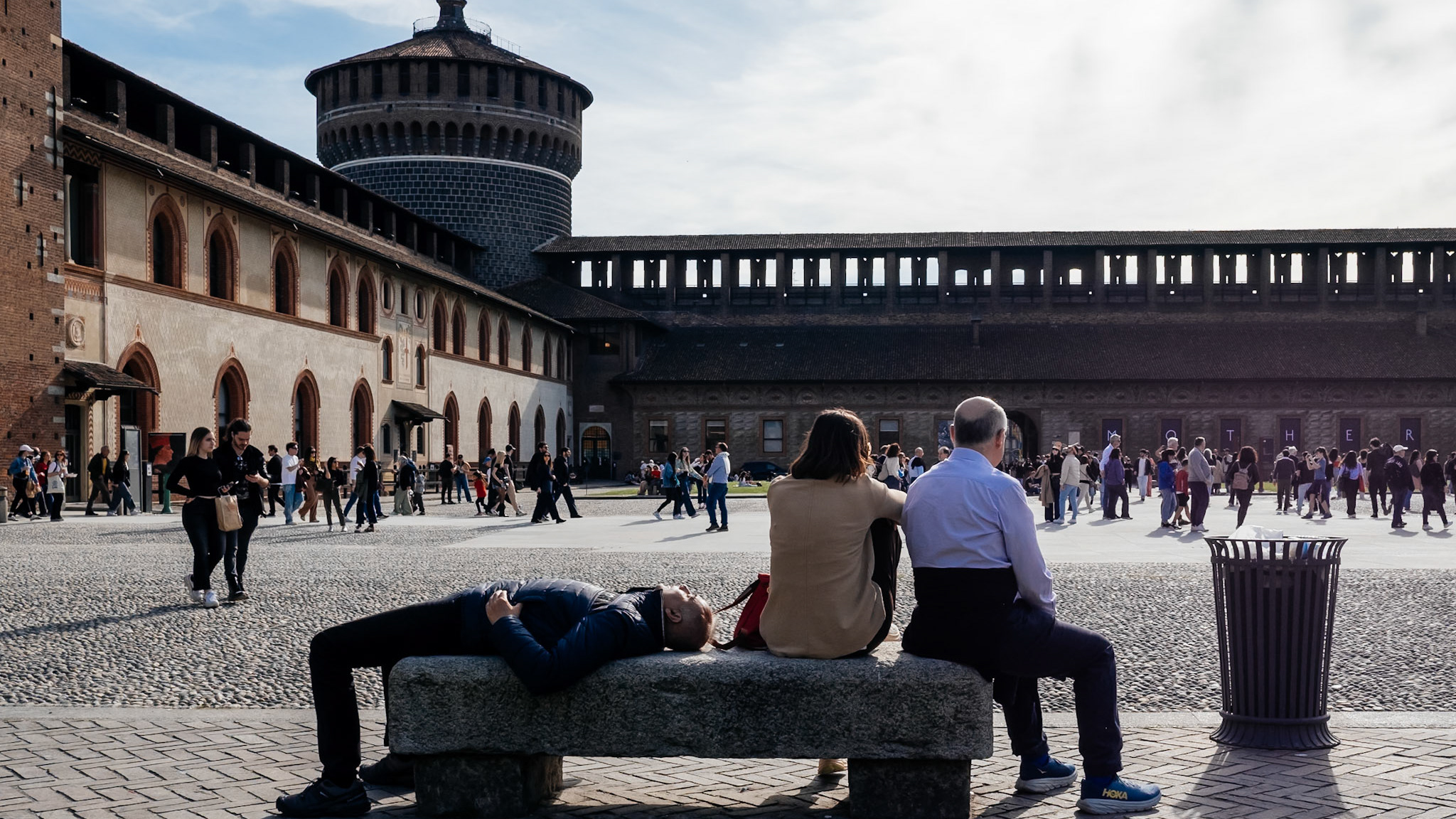
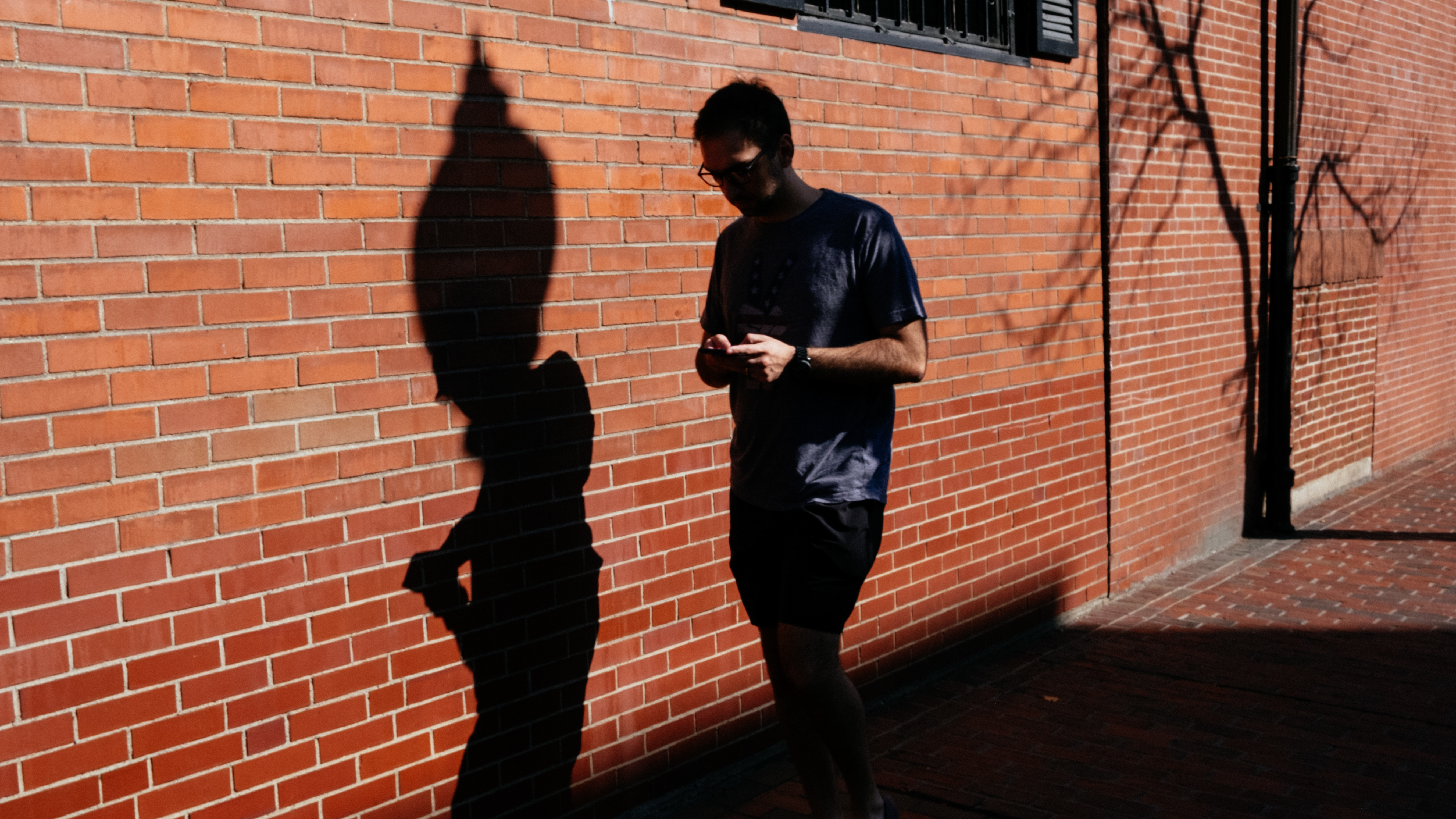
In street photography, the subject is often treated as part of a larger visual event. Even when a single figure dominates the frame, the image typically gains force from context: signage, reflections, crowd spacing, architecture, shadow, repetition, or an unresolved detail at the edge of the frame. Composition tends to hold the subject inside a wider set of relationships.
In street fashion photography, the subject often receives cleaner emphasis. The frame is more likely to protect the outfit, silhouette, or pose. Background elements still matter, but they are often organized to support the subject’s presentation rather than compete with it. A wall becomes a backdrop. A crossing line becomes a design element. A street corner becomes a stage.
This is also why posture reads differently across the two genres.
In street photography, posture is often interesting because it reveals something unguarded: fatigue, alertness, hesitation, swagger, distraction, loneliness, or routine. In street fashion photography, posture is often valuable because it enhances appearance. It helps carry the look.
That is not a criticism. It is simply a different visual priority.
Public space, candidness, and control
People often assume the difference comes down to one thing: candid versus posed. That is too simple.
Street photography has a strong candid tradition because unplanned public moments are central to the genre. But not every street photograph is completely invisible or purely accidental. Some photographers are noticed. Some images contain a brief acknowledgment from the subject. Some sit near portraiture. The key question is whether the image still operates as an observation of public life rather than a collaboration centered on presentation.
Street fashion photography can also be candid. A photographer may notice a stylish passerby and shoot quickly without directing them. Even then, the image can still belong more to street fashion photography if the primary interest is the outfit, styling, or personal image.
So posed versus unposed is not enough.
A posed image in public is rarely classical street photography because the act of directing changes the nature of the moment. Once the subject is performing for the camera, the photographer has moved from observation toward construction. That construction may produce an excellent image, but it usually belongs more comfortably to fashion, portrait, or editorial practice.
Public space matters in both genres, but it functions differently. In street photography, public space is part of the meaning. In street fashion photography, public space is often part of the atmosphere.
Where the two genres overlap
There is overlap, and denying that would be inaccurate.
Cities produce stylish people, and style is one real part of public life. A street photographer may make a brilliant image in which fashion plays an important role. A street fashion photographer may make a candid image with a strong social atmosphere. Some pictures genuinely sit on the border.
This is especially true in cities like Milan, where clothing is not a minor detail in public life. Presentation, tailoring, attitude, and visual self-awareness are part of the urban texture. On certain streets, the difference between documentary observation and fashion attention can feel very narrow. You may photograph someone in Ticinese or around Porta Venezia because their look is compelling, but the final image may either open outward into a larger observation or close inward around style and persona. That choice is often made in framing and editing.
Overlap does not mean sameness. It means one visual fact can be approached through different intentions.
The social media problem: why people confuse them
A lot of current confusion comes from platform aesthetics.
Online, "street" often gets used as shorthand for urban, cool, contemporary, and wearable. That is how street style content, candid-looking portraits, editorial fashion shoots, and real street photography get flattened into one category. The result is that many beginners start to think street photography means photographing stylish strangers in nice light.
Sometimes it can include that. But it is much broader, messier, and more observational than social media suggests.
Three categories are especially worth separating:
Street style content
This usually focuses on what people are wearing. It may be shot outside fashion weeks, in trend-heavy neighborhoods, or anywhere style itself is the point. The image documents or celebrates appearance.
Editorial fashion in the street
This is fashion photography using the city as setting. It may look spontaneous, but it is often planned, directed, or aesthetically controlled. The urban background gives realism or energy to a fashion image.
Street photography
This is not primarily trend documentation or image polish. It is about public life, human behavior, visual tension, and the strange intelligence of real moments. A stylish person can absolutely appear in it, but style is not enough to define the genre.
Social media often rewards clarity, polish, and immediate appeal. Street photography often works differently. It may be quieter, more ambiguous, less flattering, and more dependent on context. That makes it easier to mislabel and harder to teach through fast visual feeds.
How beginners should understand the difference
For beginners, the easiest way to understand street fashion photography vs street photography is to stop thinking about surface appearance and start thinking about photographic priority.
Ask yourself:
When I make this picture, what am I trying to preserve?
If the answer is the look, styling, outfit, attitude, or visual identity of the person, you are likely working in street fashion photography, street style, or a related genre.
If the answer is a moment of public life, a relationship between subject and environment, a gesture, a tension, or a visual coincidence that says something larger than the outfit, you are closer to street photography.
A few practical distinctions help:
If you would lose the meaning of the image without the clothes, it is probably fashion-led.
If the image still works even if the viewer barely registers the outfit, it is probably observation-led.
If you directed the person, asked them to stop, turn, pose, or walk again, you have moved away from street photography and toward portrait or fashion logic.
If you waited for life to arrange itself and accepted what the street gave you, you are working closer to street photography.
Beginners also do better when they stop trying to force genre labels too early. Not every image needs a rigid category. But your practice improves faster when you know what you are actually trying to do. Otherwise, you start copying aesthetics without understanding the purpose.
That is where confusion becomes a craft problem. You think you are learning street photography, but you are mostly learning how to isolate stylish people in urban backgrounds. Those are not the same skill.
Conclusion
The most useful way to separate street fashion photography from street photography is not by asking where the image was taken, but by asking what the image serves.
Street photography serves observation. It is usually rooted in public life, timing, context, and the relationship between people and place. Street fashion photography serves style with greater emphasis. It gives more weight to clothing, presentation, persona, and visual polish, even when the image is candid and made in a real street environment.
They can overlap. They can borrow from each other. In a city like Milan, they often sit close together because fashion is genuinely part of public culture. But they are still different practices with different intentions.
Once you understand that, the labels become less confusing and your own photography becomes more honest. You stop chasing a look and start making clearer choices about what you want the frame to do.