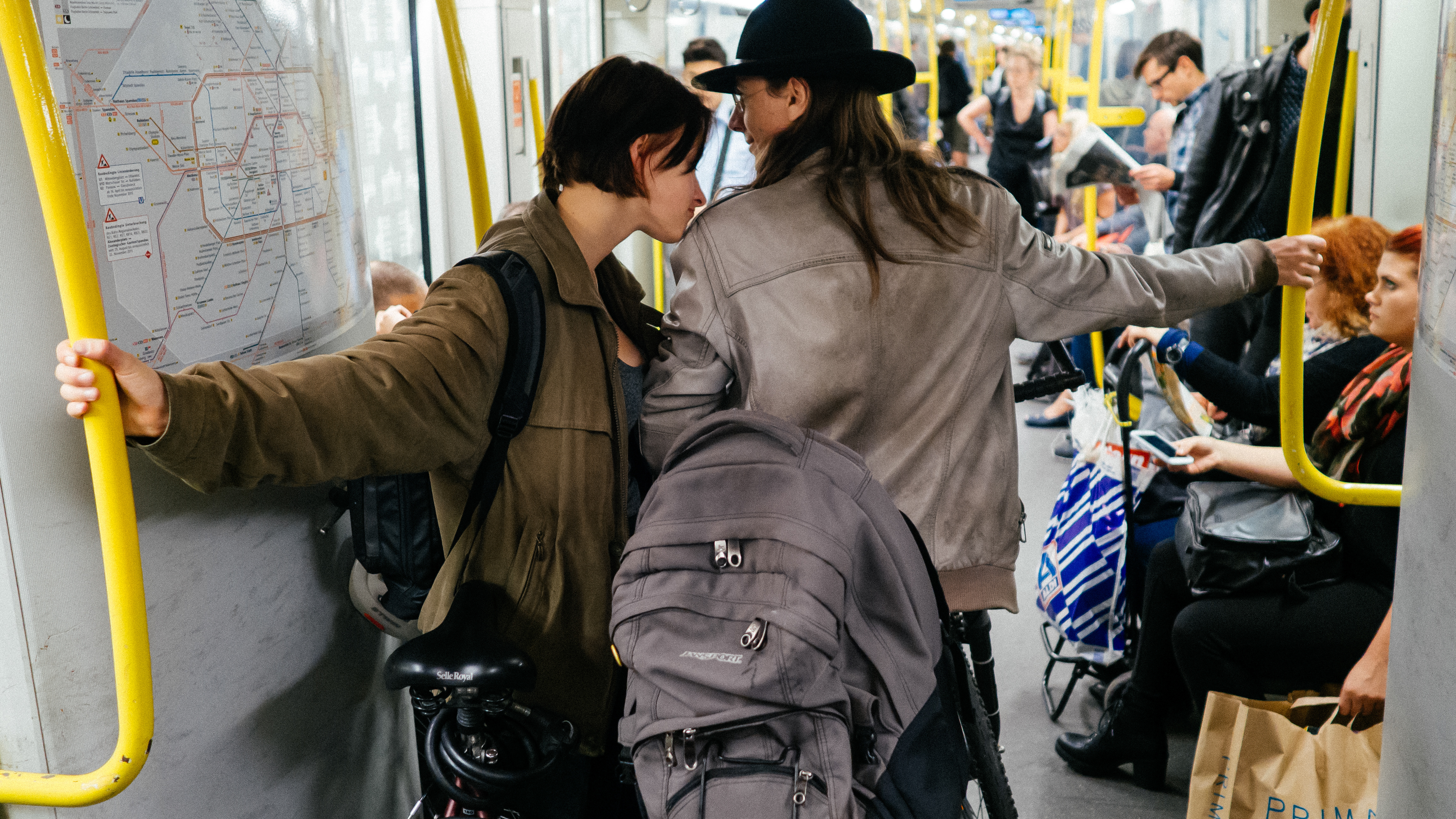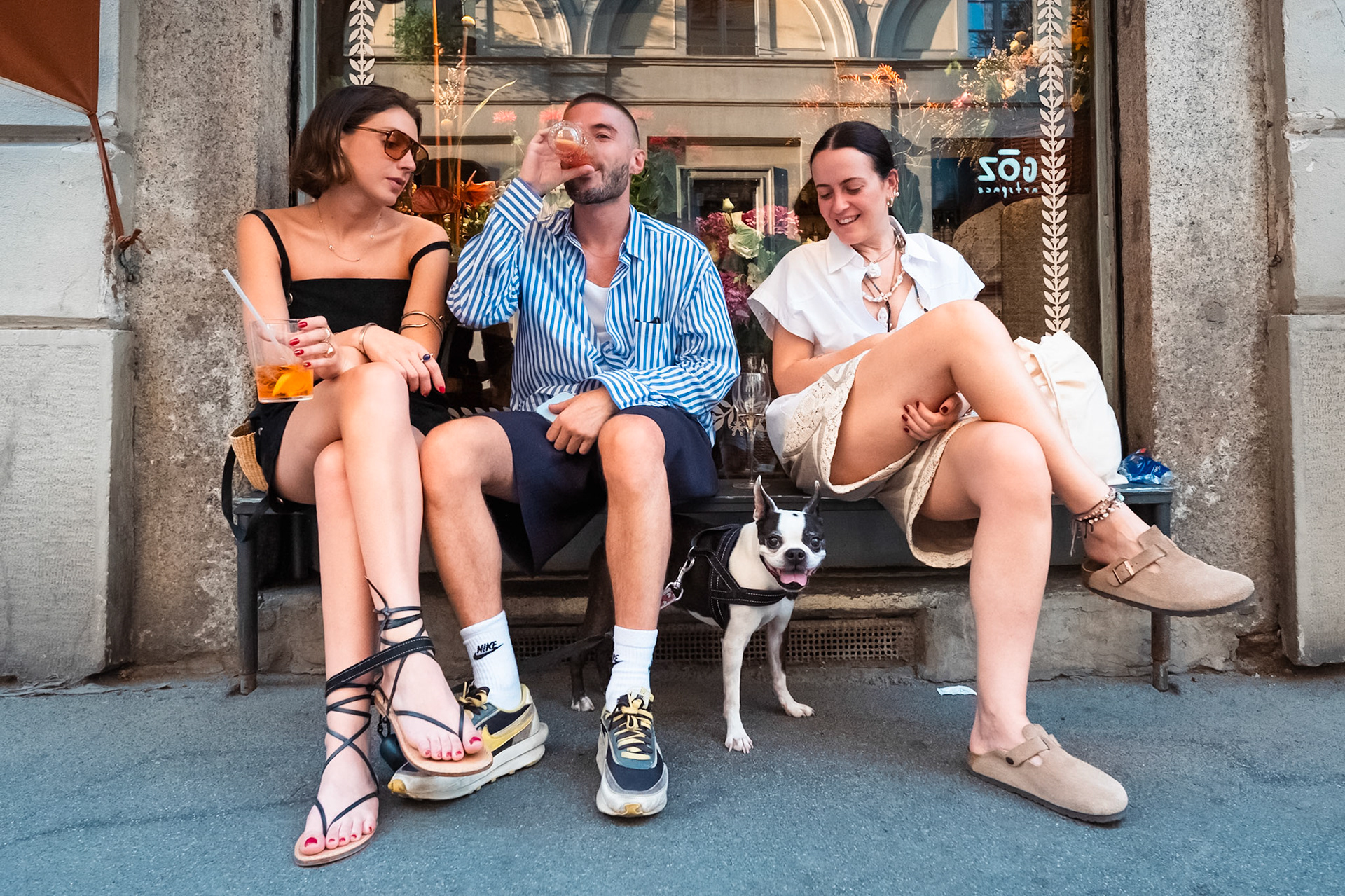
Many beginners think the hard part of street photography is technical. They imagine the challenge is exposure, autofocus, or camera settings. In reality, the first real difficulty is often emotional. You step into public with a camera, and suddenly your body changes. You hesitate. You walk differently. You wonder who is noticing you. You second-guess every movement before you even make a frame.
That is why learning how to start street photography has less to do with acting bold and more to do with learning how to be present in public without turning every moment into a test of courage.
Most awkwardness in street photography is not a sign that you are unsuited to it. It is a normal response to visibility. You are looking more carefully than usual, and you are doing it with a tool that makes that attention visible. That can feel exposed at first. The good news is that you do not need to solve that feeling in one day. You need a way of beginning that lets confidence grow through observation, repetition, and better judgment.
Why street photography feels awkward at first
Street photography asks you to do two unusual things at once. First, it asks you to pay close attention to public life. Second, it asks you to act on that attention while other people are around.
That combination can feel uncomfortable even for people who are otherwise confident. Many beginners are not afraid of cameras. They are afraid of what the camera means in public. It makes them feel conspicuous. It changes how they imagine others see them. Even lifting the camera can feel like a public announcement.
There is also a gap between how street photography looks from the outside and how it feels when you try it yourself. You may admire strong images of strangers, gestures, reflections, or layered city scenes. But when you go out to make your own pictures, you discover that noticing something is easy and acting on it is harder. You are not only looking at the world. You are managing your own self-consciousness at the same time.
This is especially true for beginners who come from landscape, architecture, travel, or still life photography. In those genres, the subject usually does not react to your presence. In street photography, public life keeps moving, and people may notice you. That possibility changes the emotional texture of the act.
So if street photography feels awkward at first, that does not mean you lack talent. It usually means you are having an honest response to a public, social form of photography.
The mistake of thinking you need instant confidence
A lot of beginner anxiety comes from a bad assumption: that real street photographers are naturally fearless.
That idea causes damage early. It makes beginners believe they should be able to walk out the door and immediately photograph strangers at close range without hesitation. When that does not happen, they think they are failing.
But most useful confidence in street photography is not dramatic. It is quiet. It looks like walking more slowly, noticing better, waiting longer, and making clearer decisions. It is not performance. It is steadiness.
The internet often overstates the bold side of the genre. That creates a distorted starting point. Beginners begin to think that street photography means charging into situations, making intense close-ups, or proving something to themselves in public. In reality, many strong street photographs come from patience, distance, timing, and structure. The photographer does not always impose themselves on the moment. Often they read the moment well enough to be ready when it forms.
If you are learning how to do street photography, it helps to let go of the idea that you must look confident from the outside. What matters is whether you are seeing clearly and behaving with judgment. Those are better foundations than theatrical boldness.
Start with observation, not confrontation
The easiest way to begin street photography is to stop defining it as direct interaction with strangers. Start by thinking in terms of observation.
Walk first. Look first. Learn what a scene feels like before you try to photograph it.
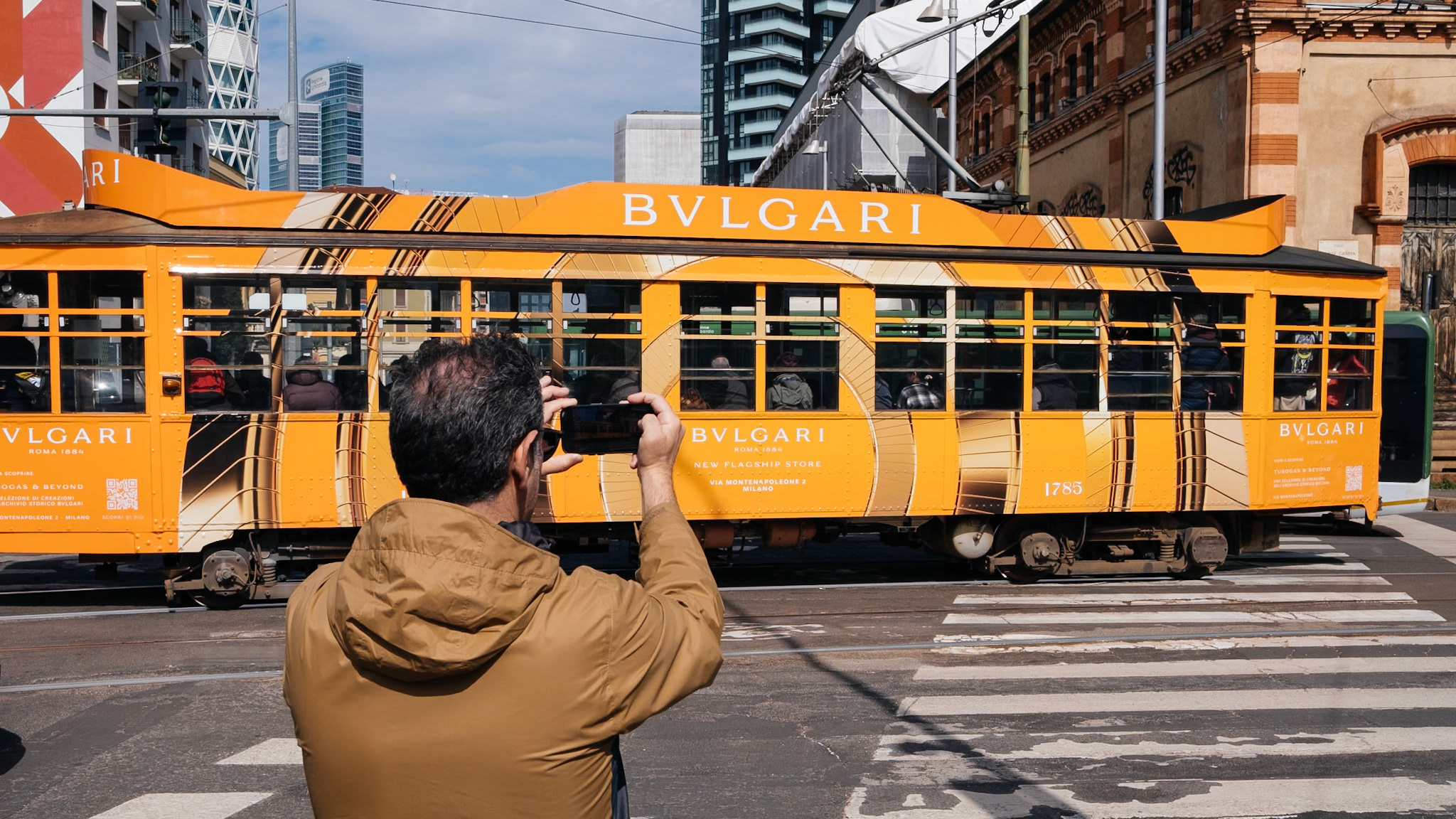
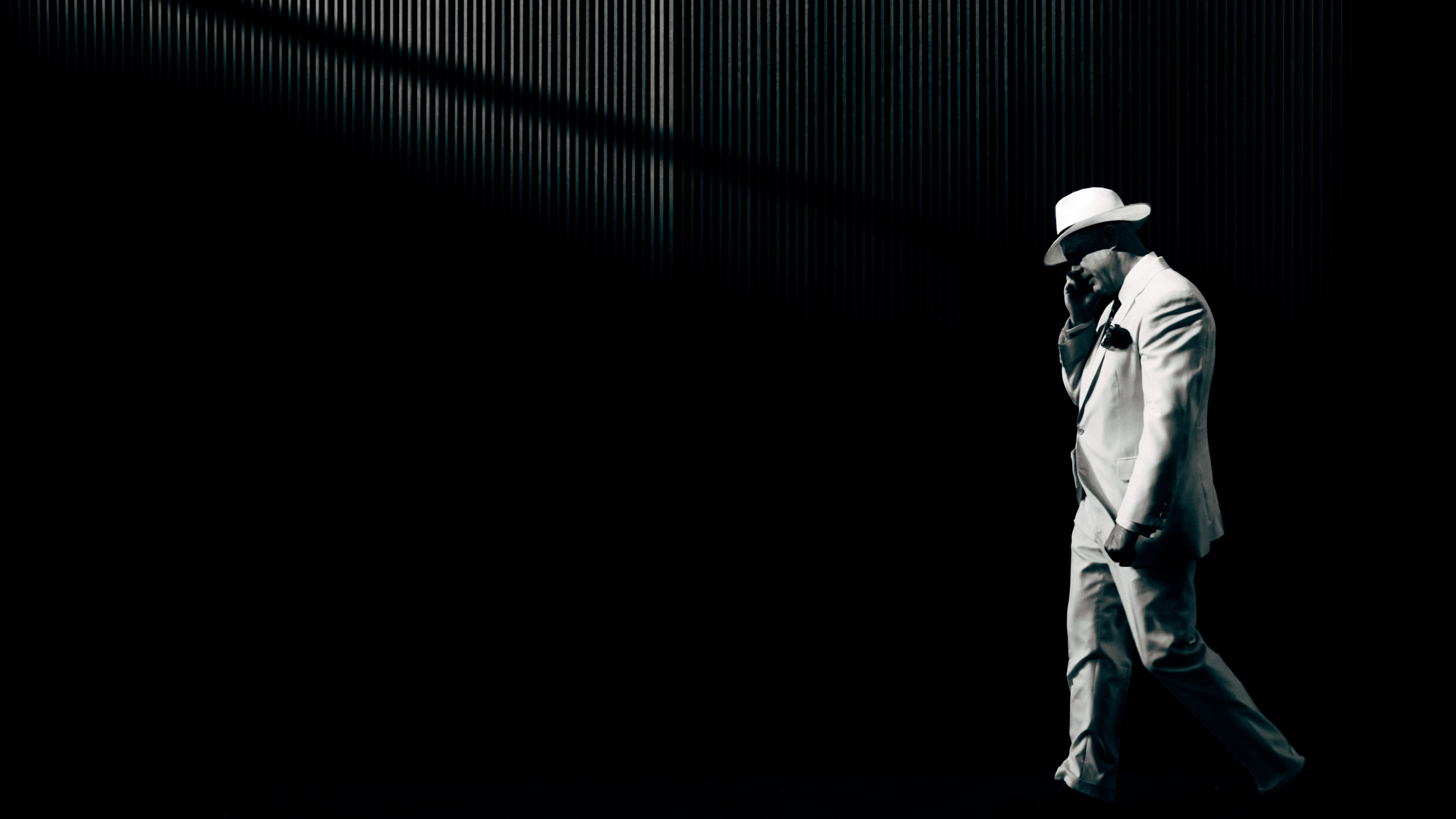
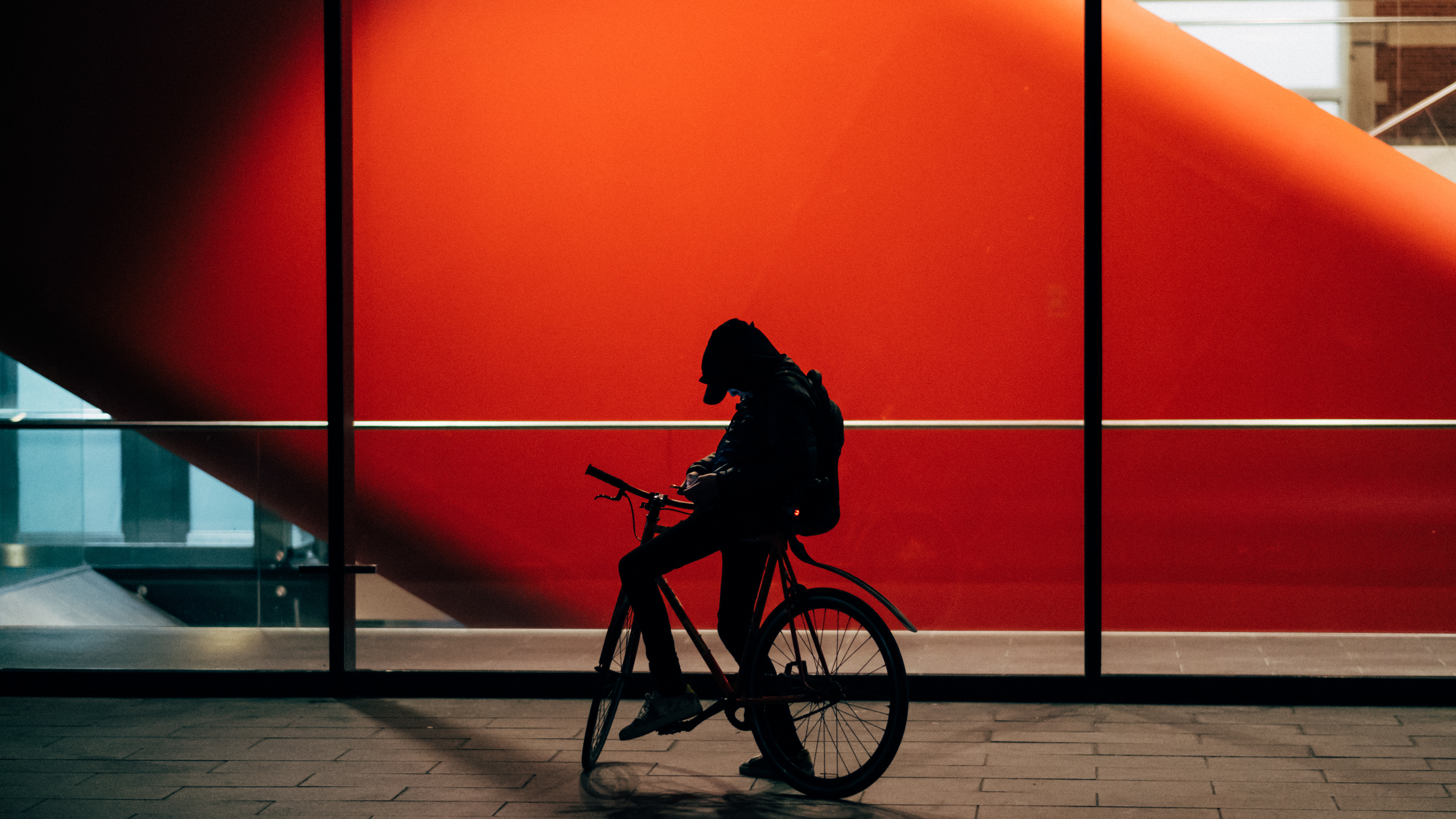
A useful beginner practice is to work with places where the picture can exist before the person arrives. A patch of light on a pavement. A tram stop with repeating lines. A crosswalk where gestures pass through the same geometry. An arcade with shadows and reflections. Instead of chasing people, build the frame and wait for life to enter it.
This changes the emotional burden. You are no longer hunting for someone to point the camera at. You are reading a scene and allowing a human element to complete it. For many beginners, that feels far more natural.
Observation also teaches you one of the central lessons of the genre: street photography is not just about people. It is about relationships. Person and place. Movement and stillness. Light and interruption. Gesture and distance. When you focus on those relationships, you stop feeling that every image depends on a confrontational act.
A calm way to practice street photography is to give yourself permission to spend a session mostly watching. Notice where people slow down, bunch together, turn their heads, stop in a shaft of light, or separate from the crowd. Watch how long it takes for a scene to repeat. Those observations are not separate from the work. They are the work.
Easier ways to begin in public
Choose places that help you relax
Not every location is equally beginner-friendly. Empty streets can make you feel exposed because every action becomes more visible. Extremely crowded places can overwhelm you if you are still learning to read movement.
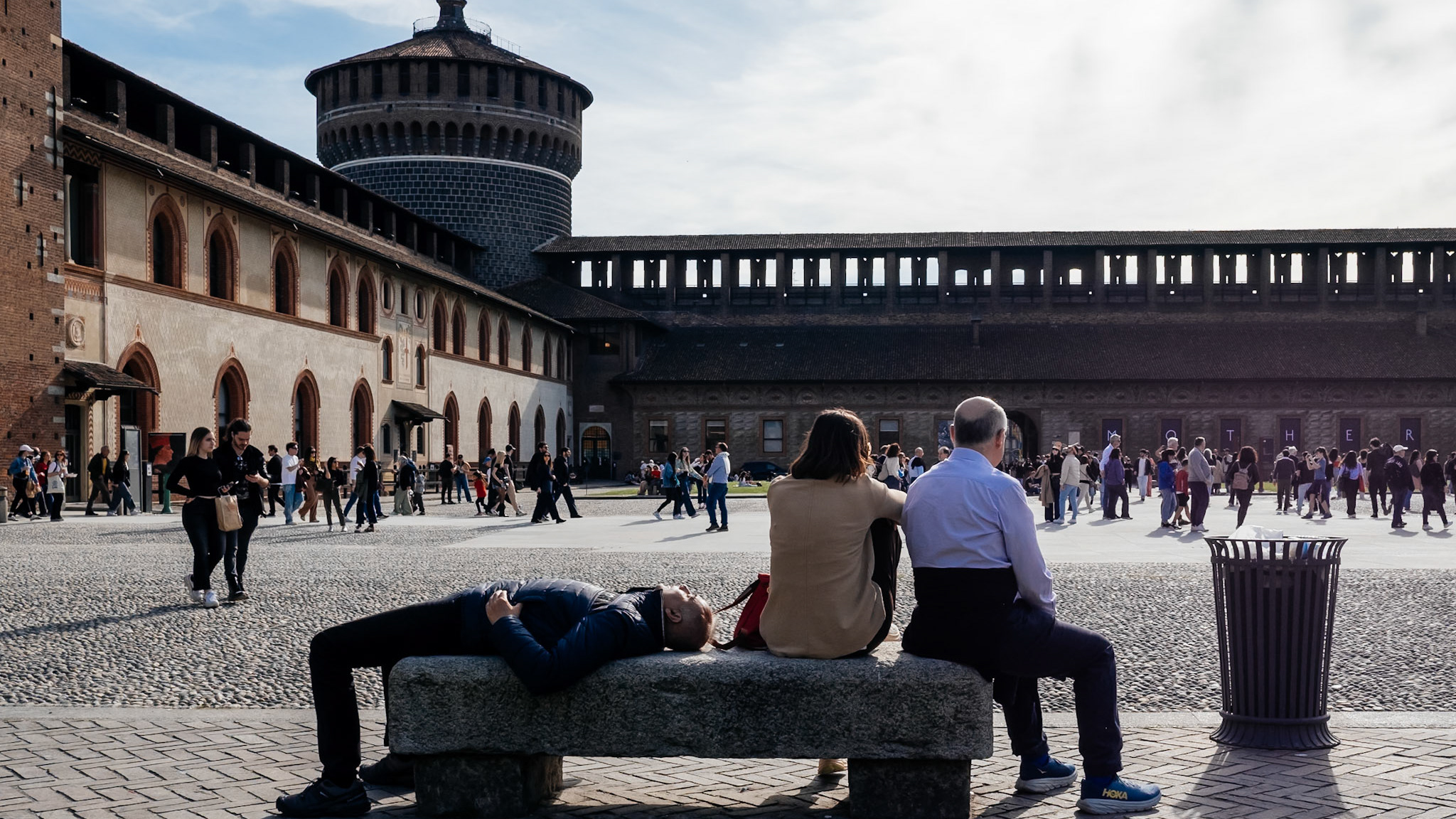
A good middle ground is a lively public area where photography does not feel unusual but where you still have enough space to think. Busy squares, markets, transport hubs, promenades, or commercial streets can work well. In a city like Milan, for example, arcades, tram corridors, and neighborhood transitions often give you both movement and structure without making every frame feel tense.
The point is not to find the most dramatic place. It is to find a place where your attention can settle.
Use a setup that does not fight your body
Camera choice affects confidence more than many beginners realize. A large camera with a big zoom can make you feel like you are announcing yourself. A smaller, simpler setup often helps you move more naturally.
That does not mean you need expensive equipment. A phone can be enough to begin seeing differently. A compact camera, or a small mirrorless body with one prime lens, can also help because it reduces hesitation. You spend less time deciding and less time managing weight, size, and self-consciousness.
Lens choice matters too. Very wide lenses can force you to get closer than you are ready for. Very long lenses can encourage detached, nervous picking from too far away. Many beginners do well with a moderate focal length that feels natural to the eye, something around 35mm or 50mm equivalent depending on temperament. The important question is simple: does your setup help you move calmly, or does it make you more tense?
A beginner-friendly setup is not about status. It is about behavior.
Give yourself a simple assignment
Do not go out expecting masterpieces. Give yourself a narrow task.
You might spend one walk looking only for people entering strong light. Another day, you might focus on gestures at crossings. Another, on reflections in windows or figures separated by distance. These small assignments reduce self-consciousness because they replace vague pressure with something observable.
When you know what you are looking for, you are less likely to panic in front of every possible scene.
How to photograph people without forcing the situation
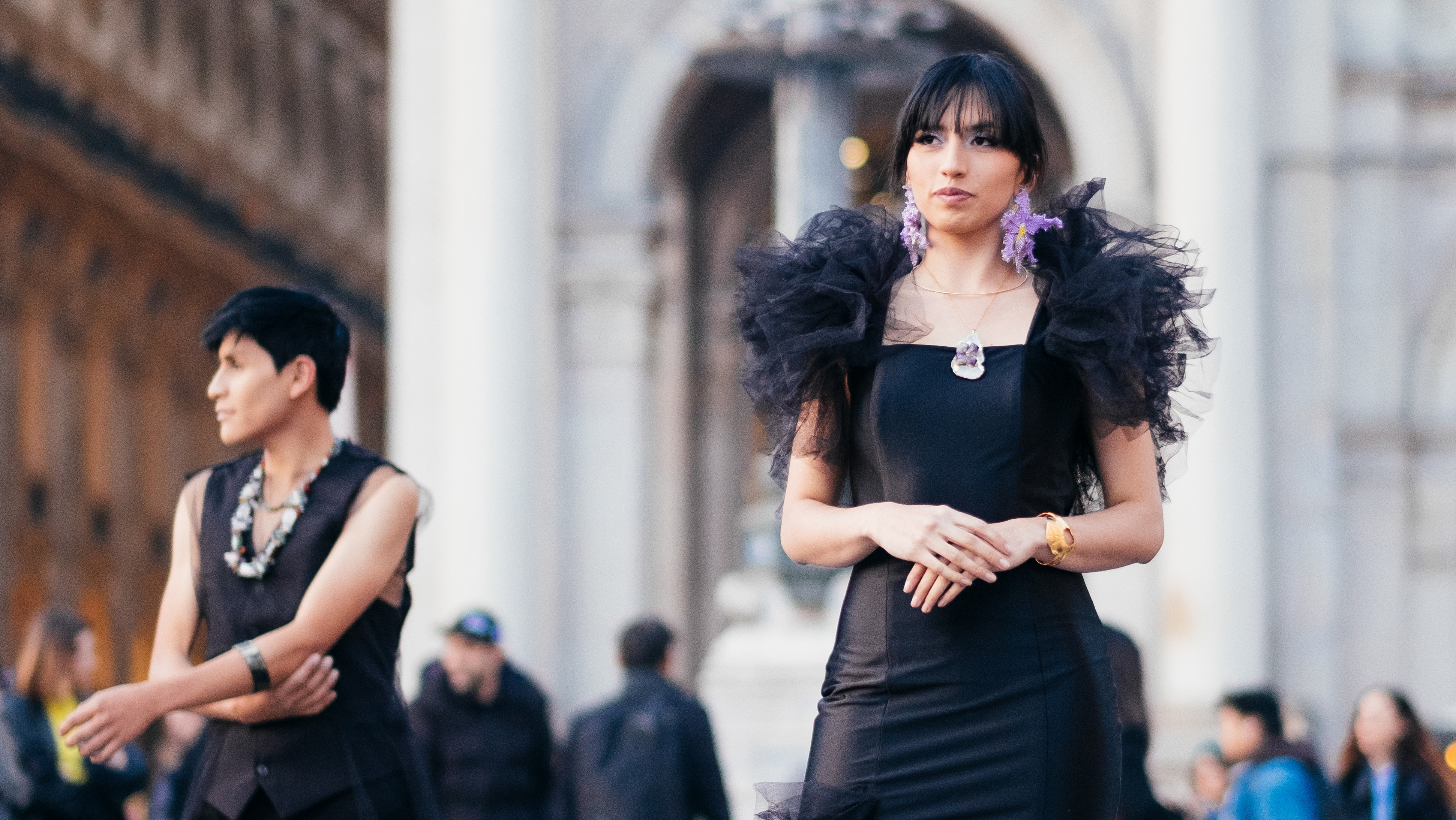
One reason beginners feel awkward is that they assume every meaningful street photograph requires a direct, close portrait of a stranger. That is not true.
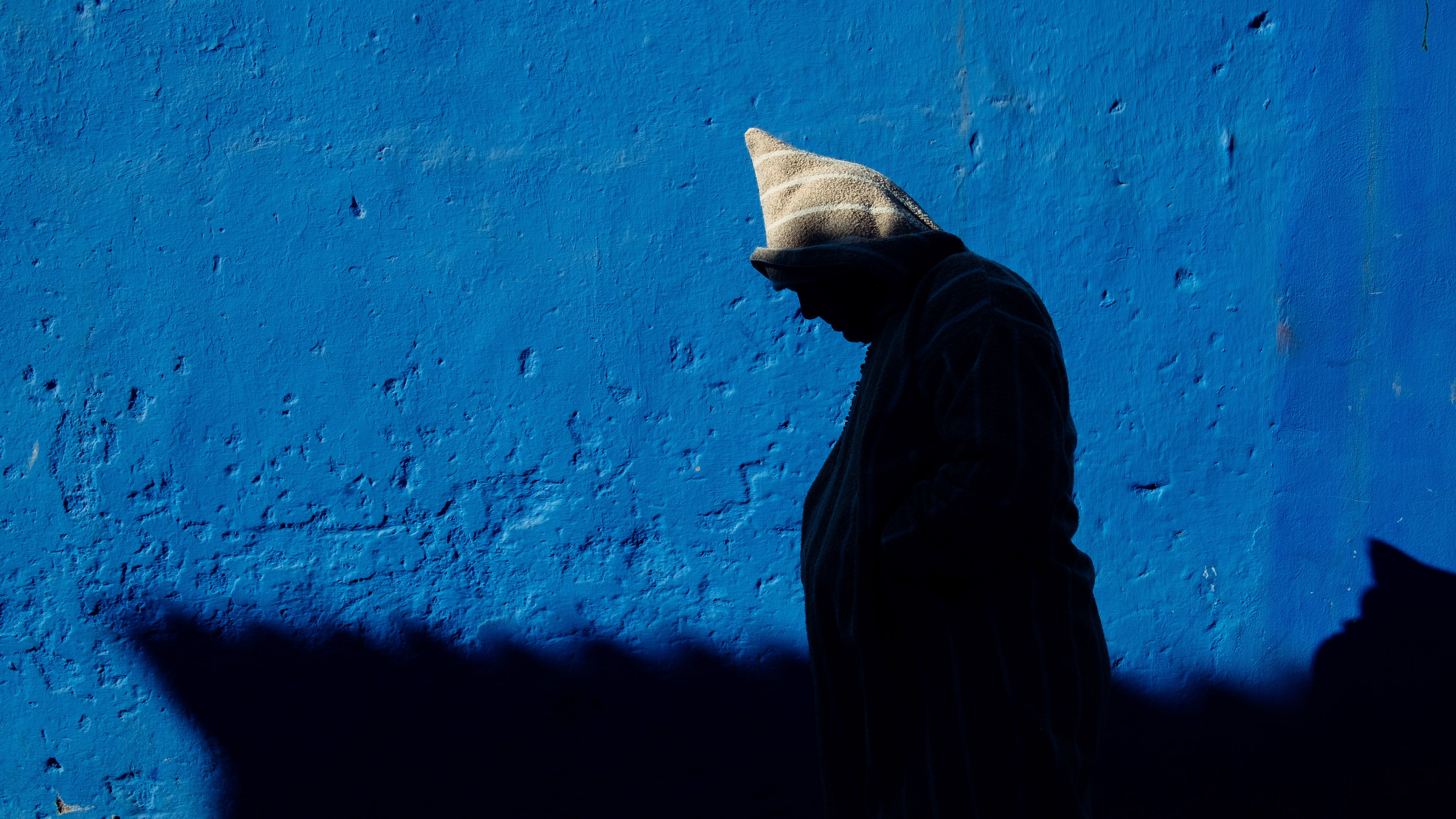
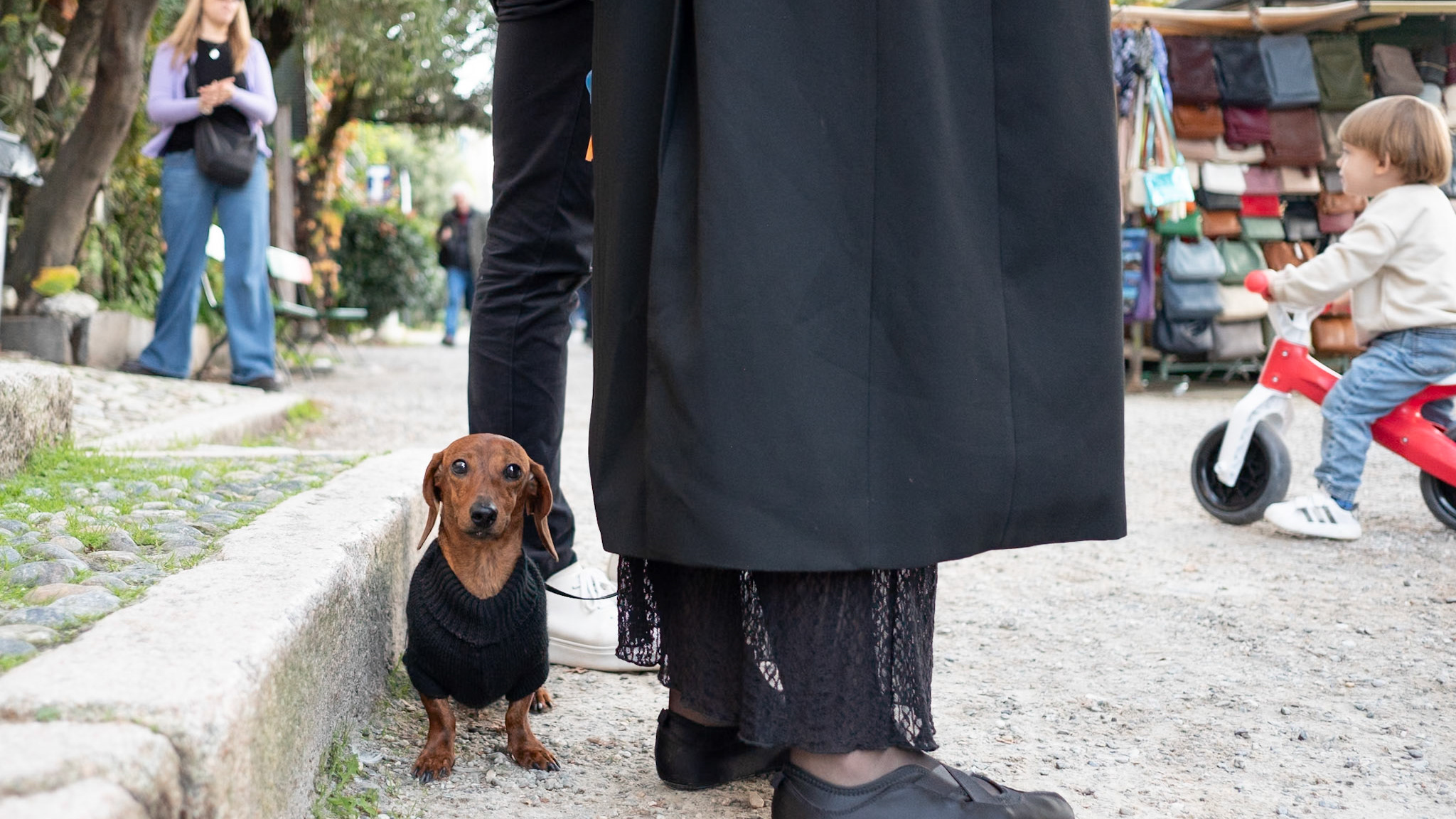
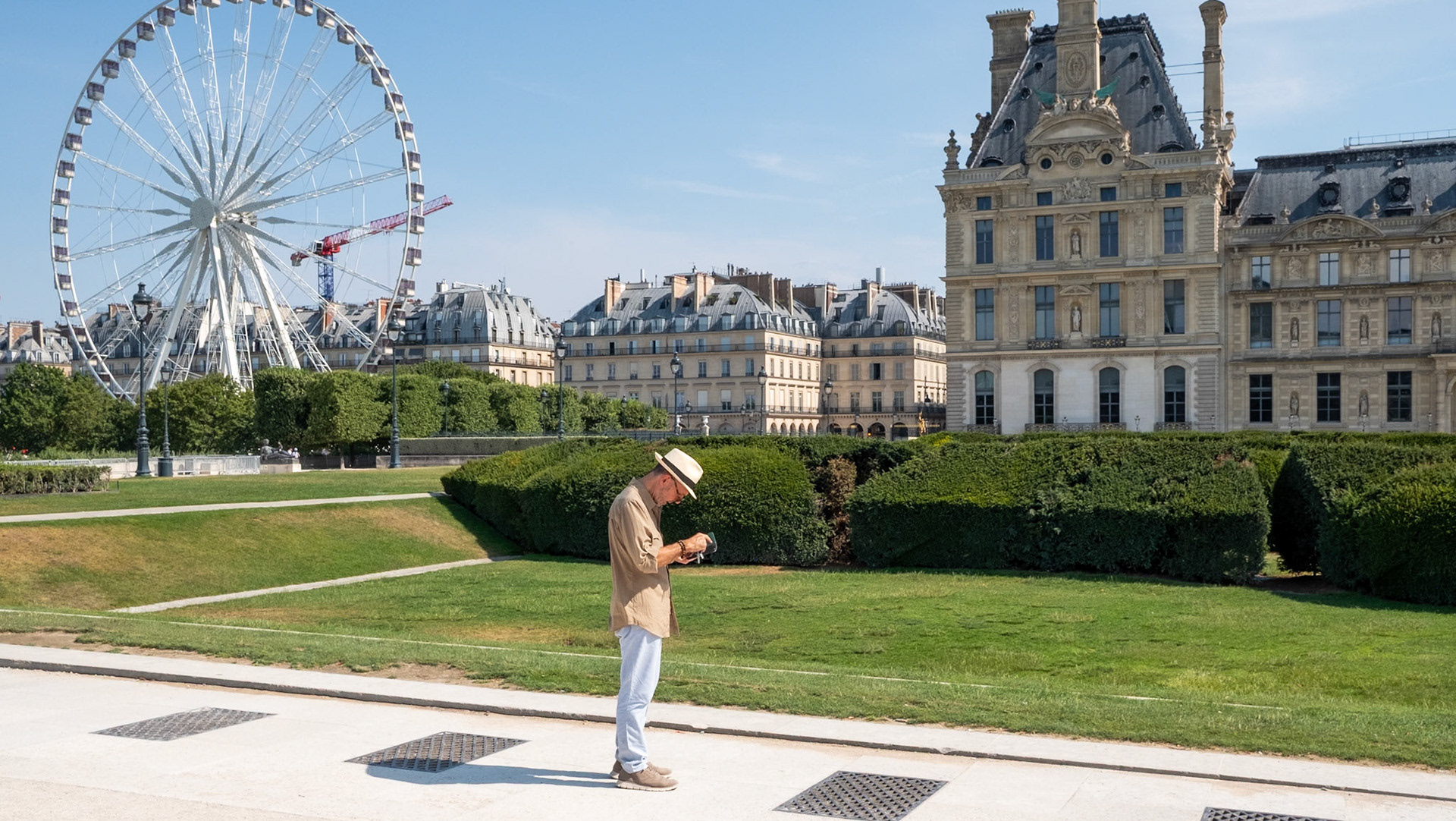
You can begin by photographing people as part of a larger visual situation. A lone figure moving through architecture. Two people separated by shadow. A hand gesture seen through a bus window. A silhouette crossing a bright background. Someone pausing at the edge of a reflection. These are still photographs of public life, but they do not require you to force proximity before you are ready.
Another calm method is to work from a prepared frame. Find a composition with good structure and wait for a person to complete it. This helps you photograph people with intention rather than impulse. The image becomes about timing and relationship, not just about the fact that someone was there.
Respect matters here. Photographing strangers in public is not a license to ignore judgment. The fact that something is visible does not automatically make it a good idea to photograph. Context matters. Vulnerability matters. Dignity matters. A beginner should learn early that curiosity and extraction are not the same thing.
That means asking yourself basic questions as you work. Is the picture built on observation, or on pressure? Does the person appear reduced, exposed, or cornered by the frame? Are you photographing a meaningful interaction of light, gesture, place, and timing, or are you only reacting to someone’s difference or visibility? These questions improve both ethics and image quality.
Good street photography is not helped by recklessness. It is helped by judgment.
What to do when you feel watched or self-conscious
At some point, you will feel seen. Someone will look back. Someone will notice the camera. You may feel your body stiffen or your rhythm break. This is normal.
The first thing to do is slow down internally. You do not need to respond with a burst of false confidence. Lower the camera if needed. Keep walking. Breathe. Let the moment pass.
Sometimes the awkwardness comes less from the other person than from your own interpretation of what just happened. Many beginners turn one glance from a passerby into a full internal drama. But public space is full of brief mutual awareness. Not every look is suspicion. Not every noticed camera is a problem.
It also helps to separate being visible from doing something wrong. Street photography is public-facing by nature. You will not always feel invisible, and you do not need to. Quiet confidence often comes from accepting that your presence may be noticed and staying composed anyway.
A simple, calm demeanor matters. If someone makes eye contact after you photograph, a small nod or relaxed expression can do more than nervous overexplaining. If someone objects, do not escalate. Respond respectfully. Street photography is never more important than basic human judgment.
There is another practical trick that helps. Do not rush to photograph every interesting person the instant you notice them. Move, observe, wait, and decide. Urgency often creates awkward body language. Deliberate pacing creates better pictures and makes you look less unsettled because you are less unsettled.
Beginner mistakes that make the awkwardness worse
One common mistake is starting with the hardest version of the genre. If your idea of beginner street photography is immediate close-ups of strangers, you are likely making the process more difficult than it needs to be.
Another mistake is moving too fast. Beginners often walk quickly because they feel nervous. But speed reduces perception. You miss patterns, gestures, and repeating opportunities. Slower walking is not only better for seeing. It also helps your body settle into the environment.
Too much gear can also make things worse. Multiple lenses, a heavy bag, or constant equipment decisions can pull you out of the scene and into your own head. Simplicity often helps you stay present.
A subtler mistake is judging success by bravery instead of by attention. You may come home thinking, “At least I was bold,” even if the pictures are weak. Or worse, you may think, “I was not bold enough,” and ignore the fact that you observed well. Street photography improves when you reward yourself for good seeing, patient timing, and better judgment, not just for proximity.
Finally, many beginners confuse discomfort with obligation. They think if something feels awkward, they must push through it immediately. But not all discomfort is useful in the same way. Some of it is normal growth. Some of it is a sign that your approach is too aggressive for your current stage. The solution is not always to push harder. Often it is to work more intelligently.
How confidence actually grows in street photography
Confidence in street photography usually grows through familiarity, not force.
You return to the same area and begin to understand its rhythm. You learn where light falls at a certain hour. You notice which corners compress movement well and which crossings create cleaner separation. You stop feeling like a stranger to the street because the place becomes legible to you.
Your editing also matters. When you review your images carefully, you start seeing that the photographs you like were not made through random boldness. They were made through attention, timing, and a better sense of when to press the shutter. That realization is important. It teaches you what to repeat.
Small successes count. A frame with good spacing. A figure entering the right patch of light. A moment where gesture and background align. These are the building blocks of confidence because they prove that you can read a scene and respond to it.
Over time, your body changes too. You stop telegraphing panic. You lift the camera more cleanly. You hesitate less because your decisions are simpler. You no longer expect each walk to produce dramatic results. That lowers pressure, which often improves the work.
This is why the best answer to how to practice street photography is often very ordinary: walk regularly, return to familiar places, set small assignments, and work in a way that keeps you observant rather than performative.
Confidence arrives quietly. One day you notice that the street no longer feels like a stage on which you are being judged. It feels like a place you know how to read.
Conclusion
If you want to know how to start street photography without feeling awkward, the answer is not to become fearless overnight. It is to begin in a way that respects both your own nervousness and the reality of public space.
Street photography gets easier when you stop treating it as a test of boldness. Start with observation. Work with scenes, light, distance, and timing. Use a setup that helps you move naturally. Photograph people with judgment, not pressure. Let repetition do its work.
Most beginners do not need more courage than they think. They need a better starting method.
The confidence that lasts in street photography is rarely loud. It is the calm feeling of knowing how to walk, where to wait, when to raise the camera, and when not to. That kind of confidence is built slowly, and it is built in public, one honest walk at a time.