Street Photography in Milan: Where to Walk, What to Notice, and How to See the City
Many visitors arrive in Milan expecting an obvious street photography city and leave thinking it is too polished, too reserved, or too hard to read. That reaction makes sense at first. Milan does not always offer the immediate theatricality some photographers associate with street work. It is not a city that performs for the camera all day long. It reveals itself more quietly.
That is exactly why street photography in Milan can be so rewarding.
This city works less through spectacle and more through rhythm. Its photographs often come from restraint, contrast, posture, repetition, and interruption. A business suit crossing a tram line. A pause under an arcade. A figure framed by severe architecture. Reflections in glass that make fashion, transit, and ordinary life overlap for a second. Milan is rarely chaotic in an easy way. It is structured, layered, elegant, impatient, practical, and full of subtle visual tension.
If you want to photograph Milan well, it helps to stop asking only where to go and start asking how the city behaves. The best results usually come when you pay attention to movement, distance, light, surfaces, and the way different neighborhoods hold public life. The landmarks matter, but they are not the whole story. Milan becomes more interesting when you walk beyond the postcard view and begin to read its pace.
Why Milan works for street photography
A common misconception is that Milan is mainly an architecture or fashion city, good for clean travel photos but not especially rich for street photography. In practice, the opposite can be true. Milan is strong precisely because it asks for a more attentive eye.
The city offers several qualities that matter in street work.
First, there is contrast. Historic facades sit next to modern glass. Formal dress meets ordinary commuter behavior. Quiet courtyards open onto crowded avenues. The visual language is often about tension between elegance and routine.
Second, there is structure. Arcades, tram lines, columns, windows, crosswalks, and long perspectives give photographers reliable geometry. This makes Milan particularly interesting for people who like framing, alignment, and layered compositions rather than pure chance.
Third, there is rhythm. Milan moves differently depending on the district and time of day. Morning commuters, lunchtime office workers, students, shoppers, aperitivo crowds, and late tram riders all change the visual atmosphere. The city rewards photographers who pay attention to timing rather than simply collecting places.
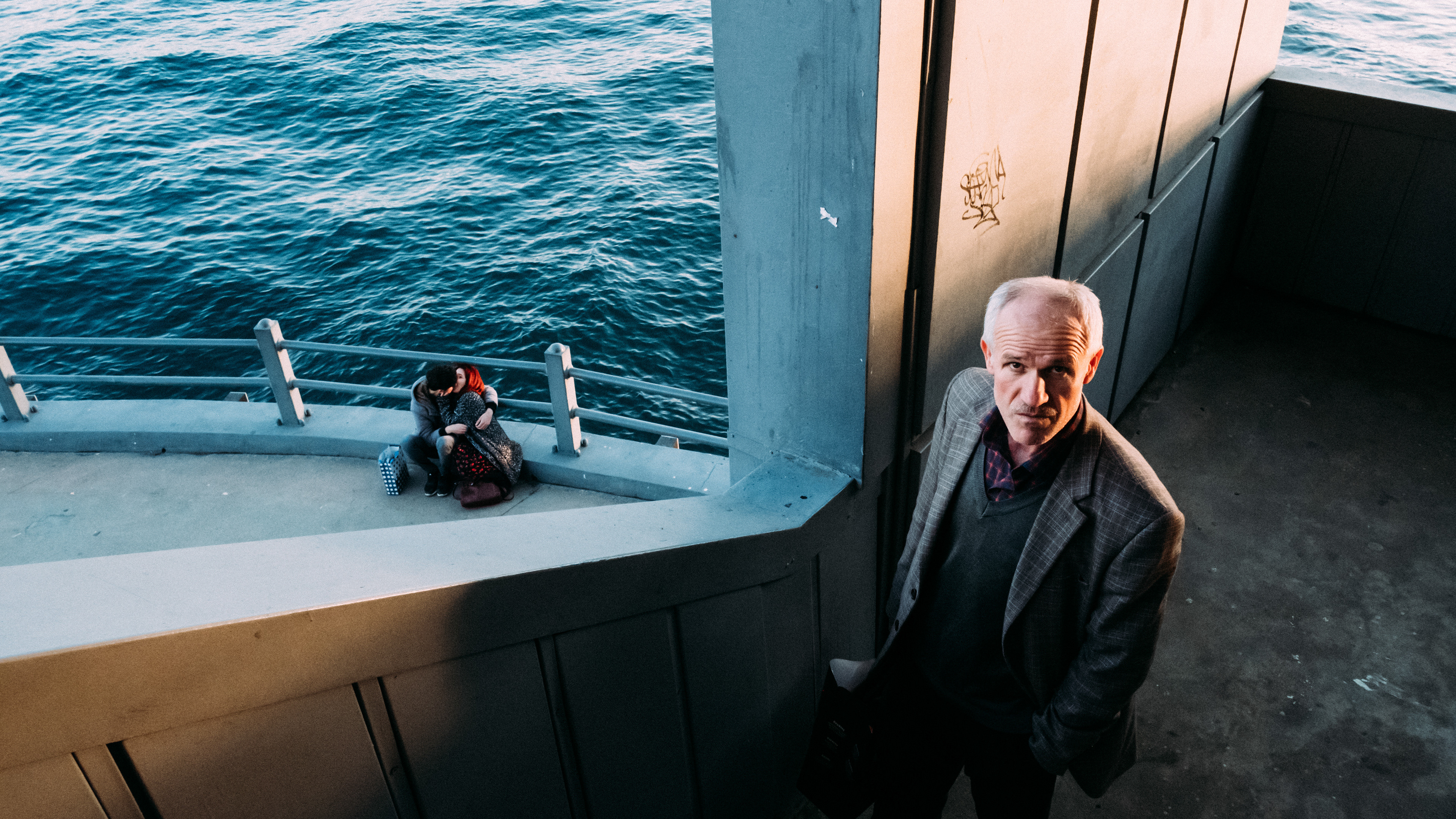
Finally, Milan has restraint. That may sound like a limitation, but photographically it can be a strength. Instead of everything shouting for attention, small gestures become more important. A glance, a turn of the body, the spacing between figures, or a sudden interruption in an orderly frame can carry the image.
Street photography in Milan is rarely only about raw energy. It is about reading form and behavior together.
How to approach Milan as a photographer
The best way to approach Milan is not as a checklist of attractions but as a sequence of visual environments.
That means walking with a purpose. Before raising the camera, ask what each area gives you. Is it strong architecture and compressed movement? Is it reflective surfaces and fashion-conscious pacing? Is it slower neighborhood life and intimate distances? Is it transition between people and built space?
Milan also asks for patience. In some cities, photographs come from constant action. Here, they often come from waiting for the right relationship inside a stable frame. Build the composition first. Watch how people enter and exit. Let the city solve the photograph for you.
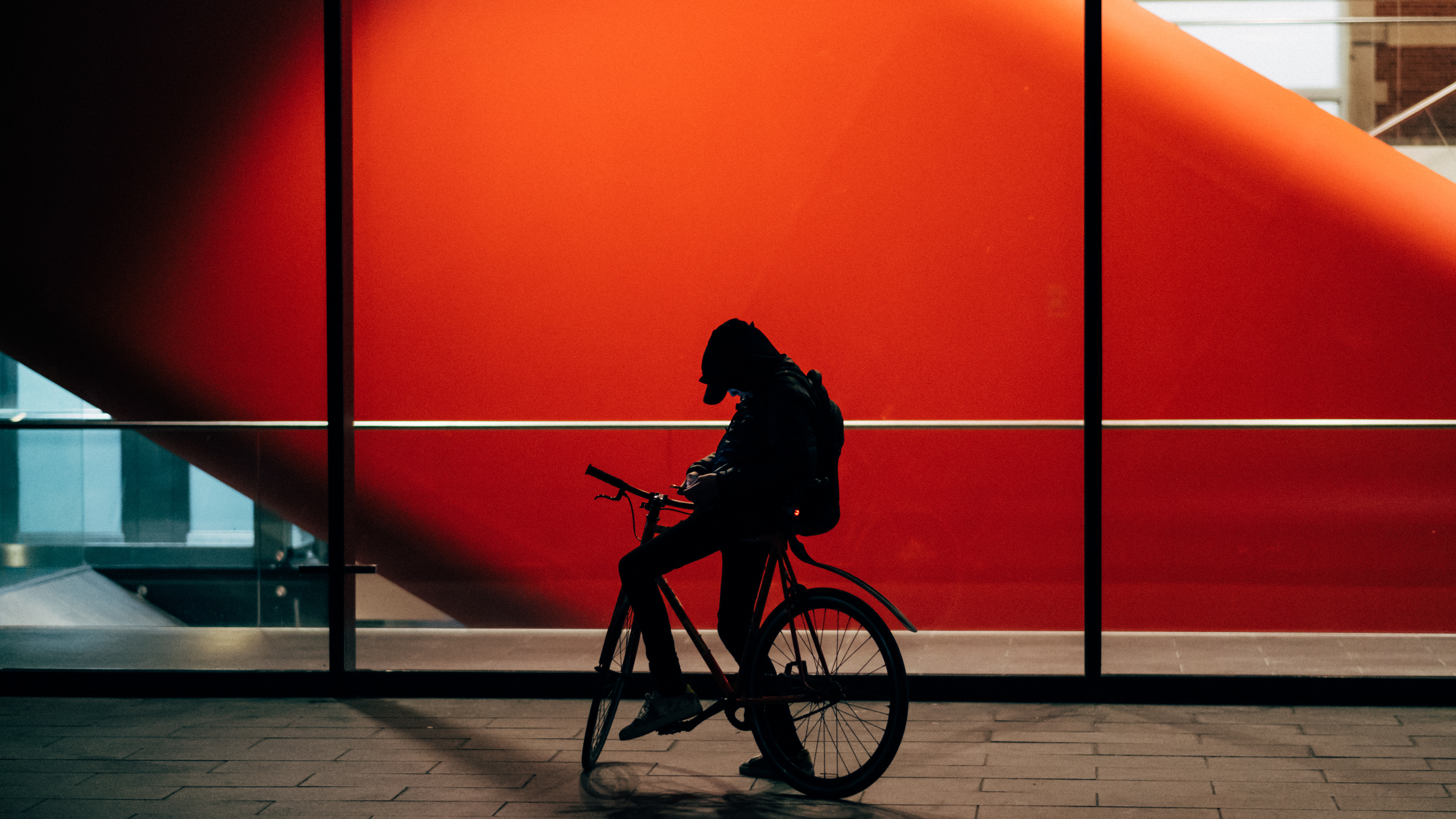
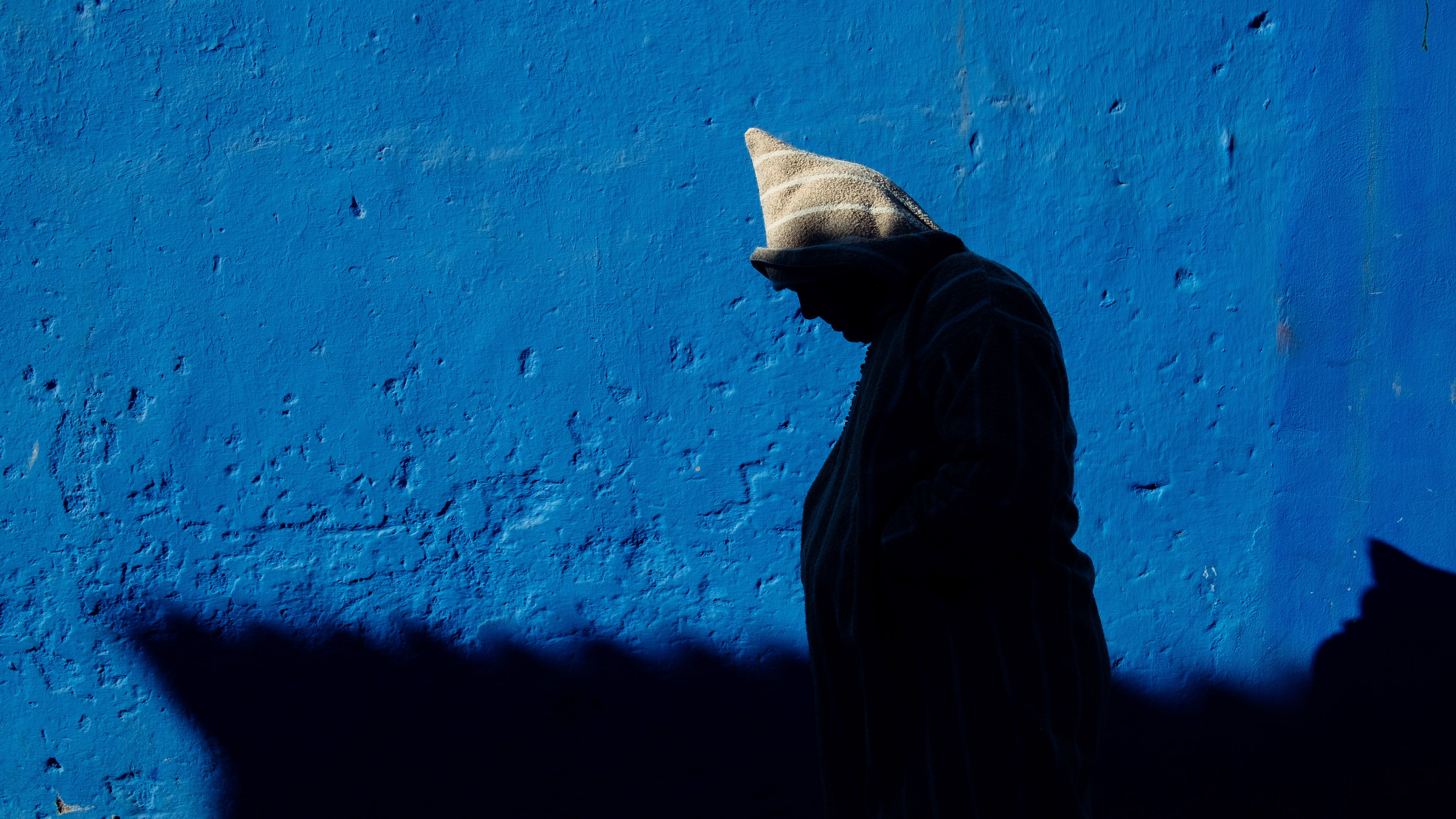
It also helps to accept that Milan is not uniformly expressive. Some parts feel formal and self-contained. Some people move quickly and do not linger. Some areas are visually rich but socially closed. Instead of forcing interaction, photograph with awareness. Work with distance, body language, reflections, silhouettes, and layered space when direct proximity does not feel natural.
For many photographers, this is where Milan becomes educational. It teaches control. It teaches editing. It teaches you to notice nuance instead of depending on easy drama.
Where to walk for different kinds of street photography
Piazza del Duomo and Galleria: learning to work inside the obvious
Piazza del Duomo and the Galleria Vittorio Emanuele II are the most photographed parts of Milan, which is exactly why many street photographers dismiss them too quickly. That is a mistake.
These spaces are not interesting because they are iconic. They are interesting because they are dense with flow, interruption, reflection, tourism, ritual, and contrast between spectacle and ordinary behavior. In the piazza, the cathedral draws everyone’s attention upward, which leaves many photographers blind to what is happening at ground level. Watch instead for hesitation, crowd separation, directional movement, pigeons breaking a frame, workers moving through tourist density, or the collision between reverence and distraction.
The Galleria is useful for a different reason. It trains your eye to look at repetition, polished surfaces, and reflected movement. The arcades, luxury storefronts, and passing figures create opportunities for symmetry and disruption. Here, timing matters more than novelty. A single figure placed well in a disciplined frame can say more than a wide shot of the whole interior.
These central areas are best treated as exercises in observation, not as locations to prove you have visited Milan.
Ticinese, Navigli, and Darsena: social movement, edge, and changing pace
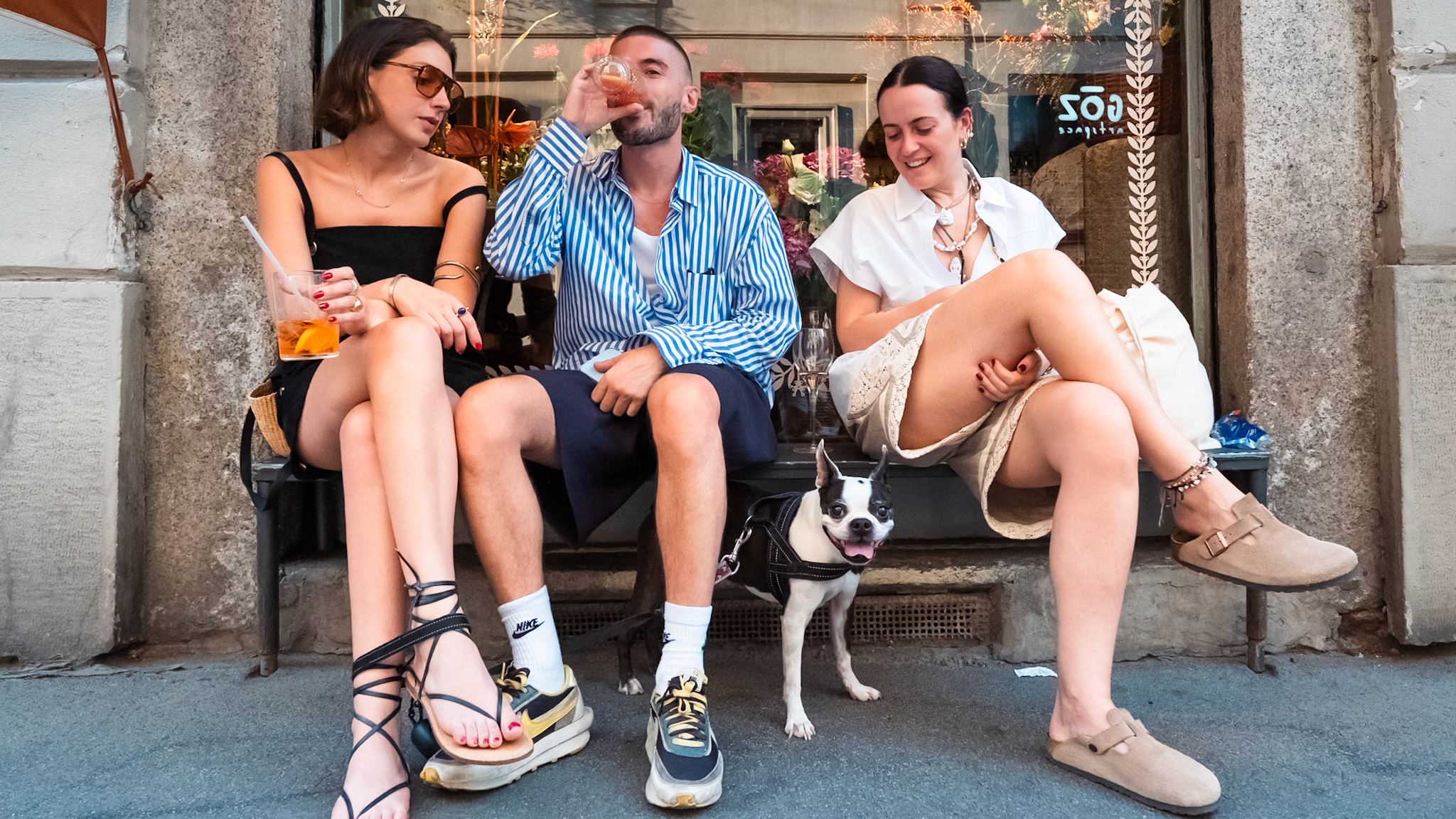
If the center gives you formality and monument, Ticinese, Navigli, and Darsena offer more fluid public life. These areas are useful when you want layered movement, younger crowds, café rhythms, bicycles, canal edges, and a looser urban mood.
Ticinese works well because it often holds transition. People are rarely standing still for long. They are meeting, crossing, smoking, checking phones, talking on the move, entering side streets, or drifting between old facades and modern habits. The visual character is less polished than the center, and that gives street photographers more room to work with gesture and spacing.
Navigli and Darsena are often photographed badly because too many visitors chase atmosphere rather than structure. Instead of making broad scenic frames, pay attention to edges. Watch bridges, railings, café windows, shadows on the canal, and the compression of people against water. Early morning and off-peak hours can be especially useful because the area shifts from social performance to lived texture.
This zone is strong for photographers who like interaction, layered backgrounds, and the transition between leisure and routine.
Brera and Sant'Ambrogio: quieter intelligence and neighborhood detail
Brera is often described in aesthetic terms, but for street photography it is more useful to think of it as a place of measured pacing. The streets are narrower, the public behavior more contained, and the opportunities often depend on quiet relationships between architecture and movement. This is a good area for working with windows, doorway light, café thresholds, and small gestures rather than crowded scenes.
Brera can easily become too pretty if you are not careful. Avoid making only tasteful travel images. The challenge is to wait until the order of the place is disturbed by something human: a pause, a mismatch, a figure crossing the frame with the right pace or posture.
Sant'Ambrogio offers something different. It feels more lived-in, calmer, and less performative. This can be valuable if you are interested in everyday Milan rather than only its designed surfaces. Here, street photography often comes from paying attention to smaller routines: local movement, quiet corners, simple facades, parked scooters, and modest gestures within strong light.
These areas reward photographers who can slow down and avoid mistaking visual charm for photographic substance.
Tortona: design surfaces, industrial echoes, and fashion-adjacent Milan
Tortona is useful when you want a more contemporary and design-conscious version of the city. Former industrial textures, converted spaces, clean facades, studio culture, and shifting creative crowds give the area a distinct photographic character.
What makes Tortona interesting is not just style, but the tension between polished branding and ordinary movement. People often move through the area with purpose, and the built environment gives you strong lines, walls, and controlled surfaces to work with. This is a good district for minimalist frames, sharp shadows, and images where one figure carries the whole composition.
It can also be productive for photographers interested in the edge between street photography and urban observation. Not every frame needs overt human drama. Sometimes the photograph comes from how a person occupies an environment that already feels highly edited.
Isola and Bosco Verticale: contemporary Milan, contrast, and urban spacing
Isola is one of the best areas to understand Milan’s contemporary identity. It still holds neighborhood life, but it sits close to some of the city’s clearest symbols of modern redevelopment. That tension matters. Old habits, local storefronts, residential rhythms, and modern architecture exist in close proximity.
For street photography, Isola is strong because it offers variety in a compact area. You can move from intimate scenes to more open, architectural compositions within minutes. The spacing of people in the frame often becomes important here. It is a district that rewards attention to distance and urban scale.
Bosco Verticale, meanwhile, is often treated as a destination image rather than a working photographic environment. But it can be useful if you avoid photographing only the buildings themselves. Instead, look at how people move beneath them. The contrast between the monumental vertical structures and ordinary pedestrian activity can produce useful frames about scale, isolation, routine, and contemporary city life.
Together, Isola and Bosco Verticale show a side of Milan that is less historical and more about the city’s evolving surface.
What to notice beyond landmarks
The strongest street photography in Milan often comes from things that do not make it into tourist summaries.
Notice how people dress in relation to space. Milan is one of the few cities where public posture, clothing, and built environment frequently feel in conversation. This is not only about fashion in an industry sense. It is about silhouette, self-presentation, and how people carry themselves in different districts.
Notice reflections. Milan offers glass, polished stone, tram windows, café fronts, and arcades that allow one layer of the city to sit over another. Reflections can help you photograph complexity without needing a crowded frame.
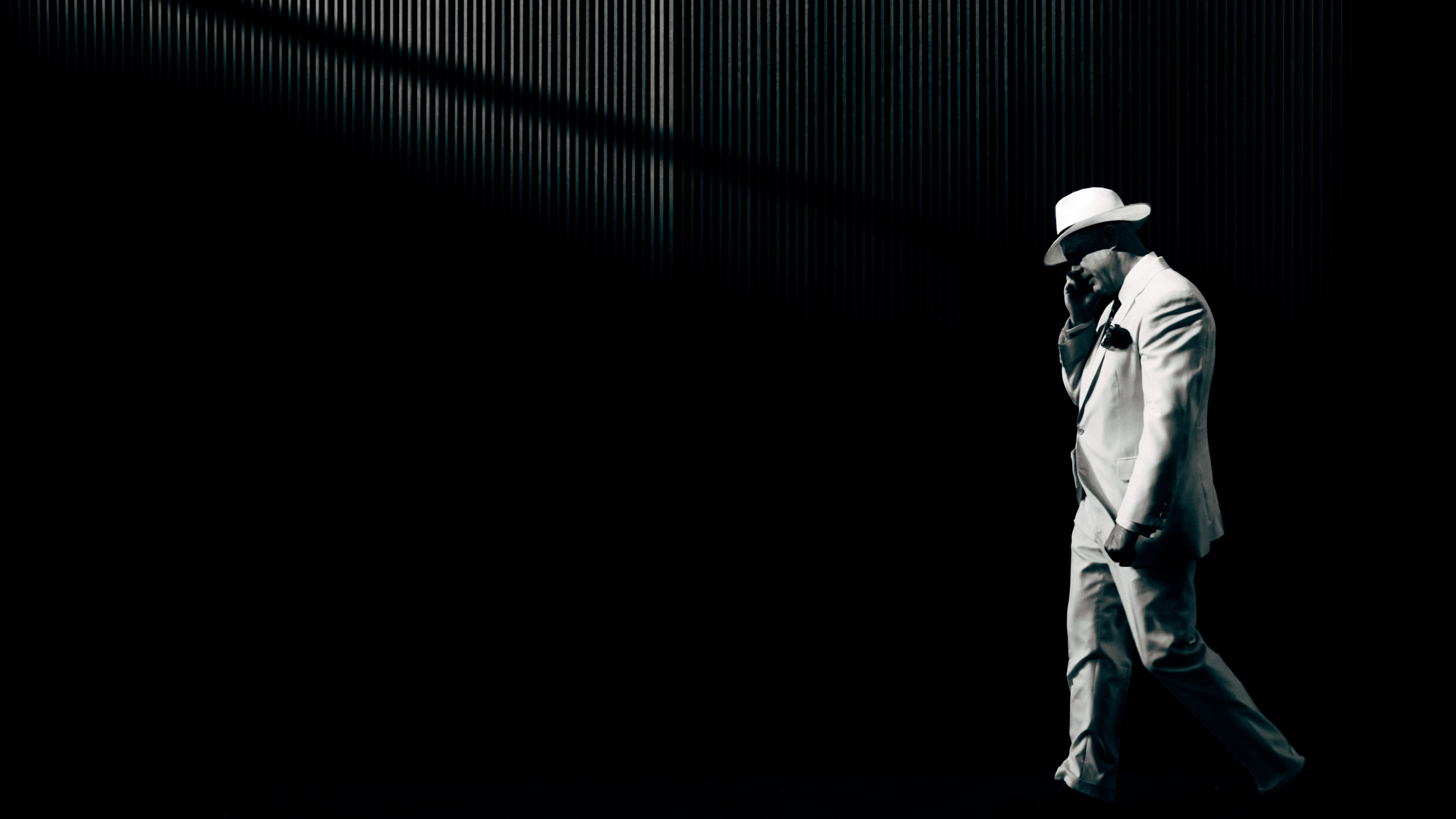
Notice transitions. A person leaving a bright light in the shadow. A commuter entering a monumental square. A waiter pausing between inside and outside. A cyclist crossing a highly ordered background. The city is full of thresholds.
Notice repetition and interruption. Ordered facades, repeated columns, aligned windows, or parallel tram lines become much more interesting when one human element breaks the pattern.
And notice restraint. Milan often asks you to photograph what almost happened, what is nearly aligned, or what quietly shifts the balance of the frame. This is one reason the city teaches patience so well.
Light, rhythm, and timing in Milan
Light in Milan can be harder than many visitors expect, especially in open central spaces. Midday often creates useful contrast only if you commit to shape and shadow. In arcades, under porticos, and along narrower streets, the city becomes more generous. There, you can work with softer transitions and more controlled highlights.
Morning is often productive if you want cleaner frames and purposeful movement. The city has direction early in the day. People are going somewhere, and that gives photographs tension.
Late afternoon and early evening can be strong in areas like Navigli, Darsena, Ticinese, and parts of Brera, where social activity begins to overlap with changing light. But timing matters more than simply staying out later. Watch when the street shifts from useful flow to visual noise.
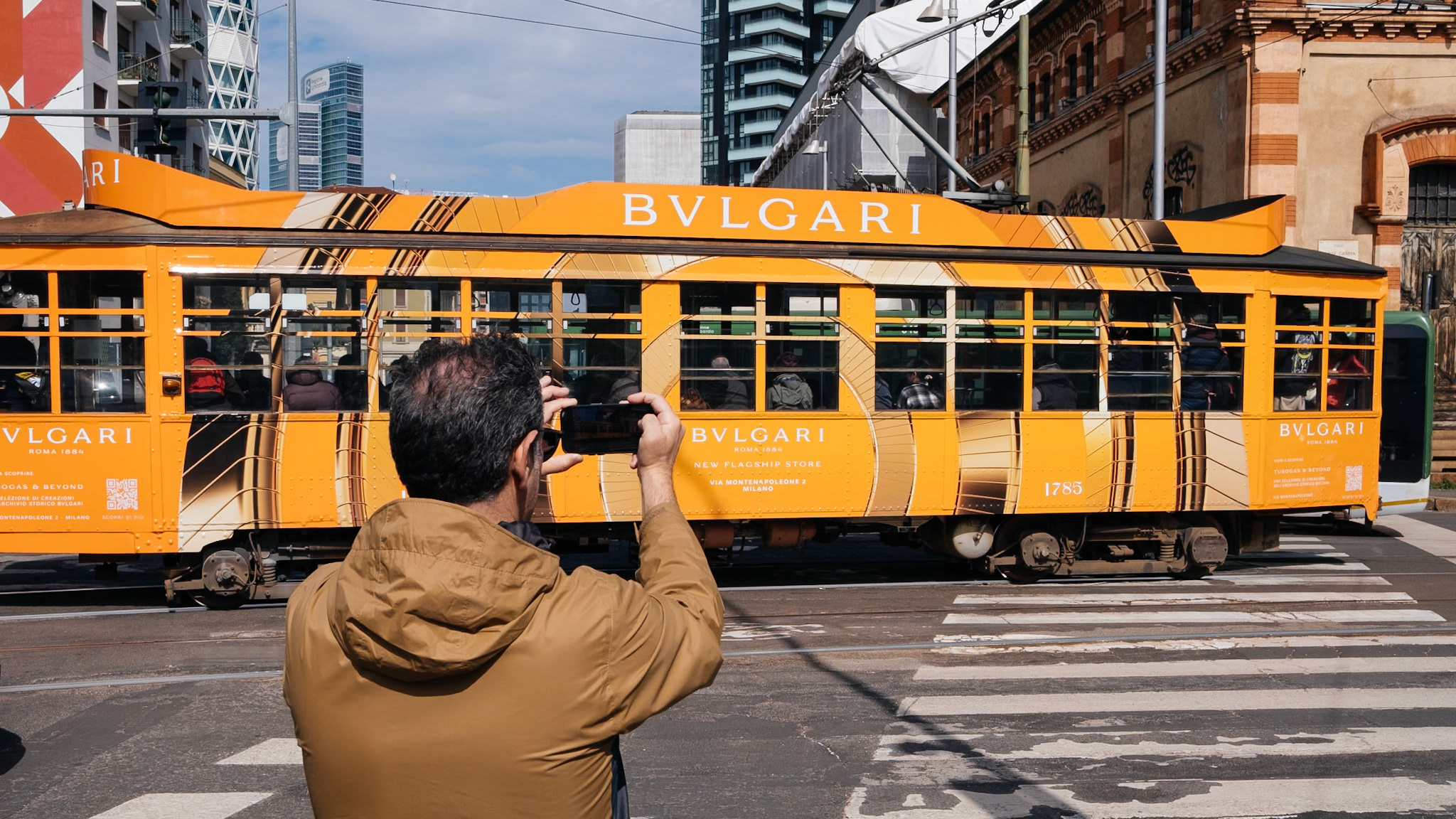
Milan is also a city of recurring rhythms. Trams, crossings, office exits, café habits, and neighborhood routines create patterns you can learn. The more you walk the same route, the more you begin to predict not specific people, but useful behavior. That is often the difference between taking photos in Milan and actually photographing Milan.
Tourist Milan vs lived Milan
Tourist Milan is concentrated, polished, and easy to consume. Lived Milan is more dispersed, more repetitive, and often more interesting.
This does not mean you must avoid central areas. It means you should understand what kind of seeing they encourage. Tourist zones tend to produce reactive photography. You respond to landmarks, crowds, and obvious visual prompts. Lived areas invite slower reading. You notice local pacing, recurring gestures, quieter compositions, and the way people actually inhabit the city.
The strongest Milan photography usually comes from moving between the two. Start with the obvious if you need to orient yourself, then walk outward. Let the city thin out a little. Stay long enough to see beyond its surface confidence.
Practical advice for photographing Milan
Walk more than you think you need to. Milan reveals itself through sequence, not only through individual spots.
Choose one visual problem for each walk. It might be reflections, layered movement, strong backlight, solitary figures, or crowd rhythm. This keeps the city from becoming visually diffuse.
Do not overvalue famous locations. Some of your best frames may happen between destinations, near tram stops, side streets, or ordinary crossings.
Work with patience in formal areas and with anticipation in social areas. The center often rewards waiting. Districts like Ticinese or Navigli often reward reading motion earlier.
Edit with discipline. Milan produces many images that are elegant but empty. Strong design is not enough. Keep the photographs where something human truly shifts the frame.
And if you are visiting the city for a short time, avoid trying to cover too much. A smaller route with real attention is usually more productive than rushing across Milan with a list.
Who does this city suit photographically
Milan suits photographers who like observation more than spectacle. It suits people interested in gesture, structure, urban pace, and the relationship between people and environment. It is especially rewarding for photographers who enjoy building a frame and waiting for the right subject rather than chasing constant action.
It may feel less generous to photographers who want nonstop visual drama or highly expressive public behavior. But even that limitation can be useful. Milan can sharpen your eye. It can teach you to work with subtlety, distance, and timing. It can make you less dependent on obvious scenes and more sensitive to form.
For beginners, that may sound demanding. In practice, it can be clarifying. The city teaches you to slow down, simplify, and notice what actually makes a framework.
Conclusion
Street photography in Milan is not about collecting landmarks with people in front of them. It is about learning to read a city that reveals itself through discipline, contrast, and behavior. The best photographs here often come from how public life moves through structure: through arcades, across tram lines, beside canals, under modern towers, and inside the quiet formality that makes Milan distinct.
If you walk the city looking only for famous places, you will probably come home with competent travel pictures. If you walk it with attention to rhythm, spacing, light, and gesture, Milan starts to open up. That is when it becomes more than a backdrop. It becomes a photographic language.